News from Austria and Switzerland

Hate to see infrastructure being built to support a more psychiatric view.

Although I have to say this doesn’t look like classical BPS/Psychosomatics more like if Biobabble and Psychiatry merged.
The treatment scheme used in the project, called “CoviKET,” begins with phytotherapy, followed by antidepressants and other psychotropic medications, sometimes in combination.
 

Long COVID Outpatient Clinic Planned – at the Department of Psychiatry at Vienna General Hospital (AKH Vienna)

AI Summary:


Studies where Lucie Bartova is involved:

FATIGEAT (in progress)


A particularly "charming" find are these presentation titles from the 50. Winterseminar "Biologische Psychiatrie":


Long Covid Outpatient Clinic Will Not Be Established After All

The Long Covid outpatient clinic planned at the psychiatric department of Vienna’s AKH will not be approved, the hospital announced. Previously, there had been strong criticism from experts of the proposed treatment concept, which was seen as equating Long Covid too closely with depression.

AI Translation:
The planned Long Covid outpatient clinic at the psychiatric department of the Vienna General Hospital (AKH) will not be approved, the hospital announced.
The decision followed strong criticism from experts regarding the proposed treatment concept, which was seen as equating Long Covid too closely with depression.

According to a written statement from the hospital’s press office, the hospital’s management did not approve the establishment of a Long Covid clinic at the University Clinic for Psychiatry and Psychotherapy because the treatment and especially the initial assessment of these patients primarily fall within the field of somatic medicine.
Patients with psychological symptoms can continue to be treated at the General Outpatient Clinic of the University Clinic for Psychiatry and Psychotherapy.

Until recently, internal planning for the clinic had apparently continued, and interested individuals could register on a telephone list.
ORF had previously reported on treatment attempts by a group led by psychiatrist and specialist in treatment-resistant depression, Lucie Bartova, at the University Clinic for Psychiatry and Psychotherapy at AKH Vienna.

The four-stage treatment concept used is based on a scheme applied for treatment-resistant depression.
It includes phytotherapy (herbal medicine), antidepressants, and other psychotropic drugs.
If these measures are ineffective, treatment with ketamine may be considered for a smaller group of patients.

Experts criticized the concept. Psychiatrist Georg Schomerus from the University Hospital Leipzig expressed surprise at the assumed similarity between Long Covid and depression, stating that there are clinically many differences from depressive disorders.
He also warned of a potential negative side effect: both the concept and the placement of a Long Covid clinic within psychiatry could reinforce the impression that Long Covid is a mental illness rather than a post-infectious immunological multisystem disease.
This, he argued, could have indirect consequences for overall medical care and further research efforts.

Further criticism came from German psychologist and psychotherapist Bettina Grande, who specializes in the care of Long Covid patients and in the multisystem disease ME/CFS, which can occur as a long-term consequence of Covid-19 infection.
She argued that Long Covid clinics should be located in immunology and neurology, or possibly in internal medicine, but clearly within somatic (physical) medicine.
 
Last edited:

A 3,000-word article exploring the challenges a 13-year-old girl with long COVID faces within the medical system in Basel, Switzerland.
By Lea Meister

The article contains particularly infuriating allegations against the Children’s Hospital in Basel (UKKB) where they would not even want to consider a diagnosis of Long Covid and instead practiced what I would consider child abuse:
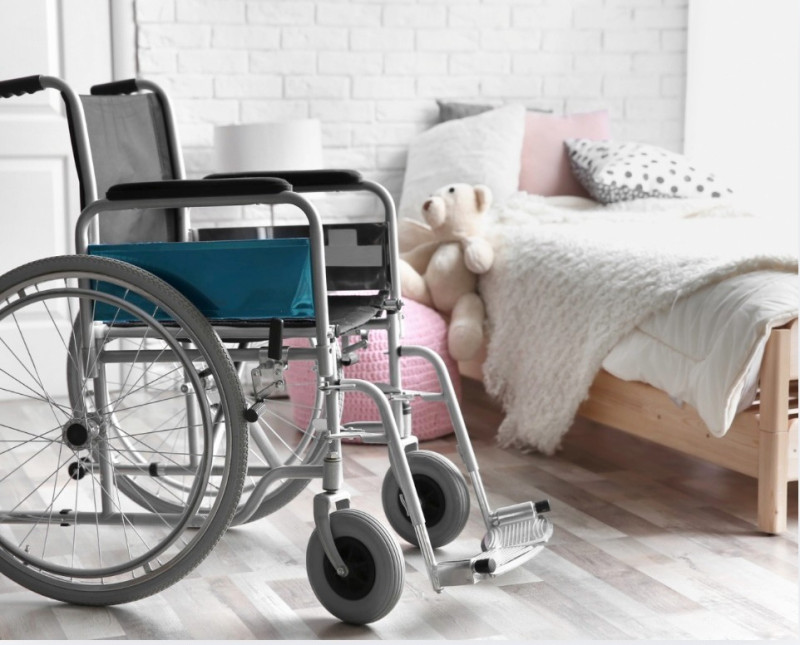
Her wheelchair was taken away – and Mira had to walk to Kleinbasel

“So we went to the University Children’s Hospital Basel (UKBB). In hindsight, that was a mistake,” Küng says. “They didn’t want to hear anything about a Long Covid diagnosis.” Mira’s gait disorder, she adds, was dismissed as “psychosomatic.”

At the time, Mira often relied on a wheelchair because even minor exertion left her so exhausted that her body would give out. At the UKBB, her wheelchair was reportedly taken away. “They locked it in a room,” Küng says. Afterwards, her daughter had to walk from the hospital to the Manor department store in Kleinbasel — on foot.

“That was very unpleasant for me,” Mira recalls. She says she repeatedly said she couldn’t go on. In the days that followed, she had pain in her legs and was extremely exhausted.

Mira says she did not feel taken seriously and felt that, “once again,” she had been pushed into the “psychosomatic” category. After ten days at the UKBB, Maya Küng took her daughter back home. Mira eventually received her Long Covid diagnosis in Baar, in the canton of Zug. She is now being treated by a doctor in Liestal.

UKBB responds to the allegations

The UKBB currently has no formal complaint on file regarding the allegations described, spokesperson Martin Bruni wrote in response to an inquiry from Prime News. Families and affected individuals can contact the hospital’s complaints management office “at any time and without complication.” The process is deliberately designed to be low-threshold so that feedback can be reviewed promptly and solutions can be found together.

The UKBB does not comment on “anonymized allegations in the media,” but says that feedback is taken “very seriously.” Differences in perception or expectations can occur. “We are always open to a personal conversation or a formal statement from the families concerned,” Bruni writes.

According to the hospital, treatment experiences and case numbers are “well documented” and provide no indication of a structural problem in the handling of Long Covid at the UKBB. The families involved are “explicitly” invited to present their perspective directly to the complaints management office so the case can be reviewed “professionally and carefully.”

AI Summary:
Thirteen-year-old Mira is a Long Covid patient in Switzerland. According to estimates, around 18,000 children and adolescents in the country may be affected. Many families report feeling left alone, not taken seriously, and confronted with a lack of willingness to properly investigate their children’s symptoms.

Mira was first infected with the coronavirus at age nine. After an initial recovery, her symptoms returned and lasted ten months. She suffered constant severe headaches, exercise intolerance, fatigue, and “brain fog.” At times, she could barely move between her bed and the sofa. After ten months, her condition improved and she was symptom-free for 14 months. In January 2024, she was infected again and has not fully recovered since. Her symptoms included exhaustion, sleep disturbances, cognitive decline, and a gait disorder. She often needed a wheelchair.

Her family sought medical help multiple times. At the Universitäts-Kinderspital beider Basel (UKBB), they felt Long Covid was dismissed and her gait disorder was described as psychosomatic. Her wheelchair was reportedly taken away during her stay, and she was made to walk despite exhaustion. Mira said she did not feel taken seriously. After ten days, her mother took her home. She later received a Long Covid diagnosis from a specialist in another canton and is now treated by a doctor in Liestal.

The association Long Covid Kids Schweiz reports that many affected families experience stigmatization and that children are often not taken seriously. Some are labeled as school refusers, and in certain cases parents have even lost custody rights. The association calls for greater recognition of Long Covid and ME/CFS as physical illnesses and for improved knowledge among medical professionals.

In Basel, few cases are officially known to the association, and the region is described as a “blank spot” in terms of diagnosis. The UKBB stated that it has received no formal complaint regarding the reported case and that there is no indication of a structural problem in handling Long Covid. Basel-Stadt officials say that complex cases are referred to the UKBB and that most children show improvement within a year, though no comprehensive cantonal data exist.

At the national level, the Swiss government has been tasked with developing a strategy to improve the situation of people with ME/CFS and Long Covid. The goal is to ensure equal medical care across the country, including timely diagnosis and access to evidence-based therapies.

Mira currently attends secondary school twice a week. Her school is described as understanding, but her request to follow lessons online from home was rejected for data protection reasons. Her family continues to focus on rebuilding her health, while hoping for further improvement.
 

*sigh*

Rather, Long-Covid patients would need daily physiotherapy and a special diet, and of course psychological support. For Iberer, these are things that only an inpatient stay can provide. “And in Hörgas all of this was available. One has to imagine that these people lie alone in a darkened room, usually also with headphones and a face mask – they are completely cut off from the world. That is why I warn against largely dispensing with inpatient therapy.”​

AI Summary:
The Styrian provincial government wants to roll out its concept for the care of Long-Covid patients later this year. The former head of the (closed) corona hospital calls for more focus on inpatient therapy.

More than 10,000 people in Styria suffer from long-term effects of Covid-19. Many of them feel completely abandoned by the healthcare system. The province is now planning Austria’s first post-Covid center for these people.

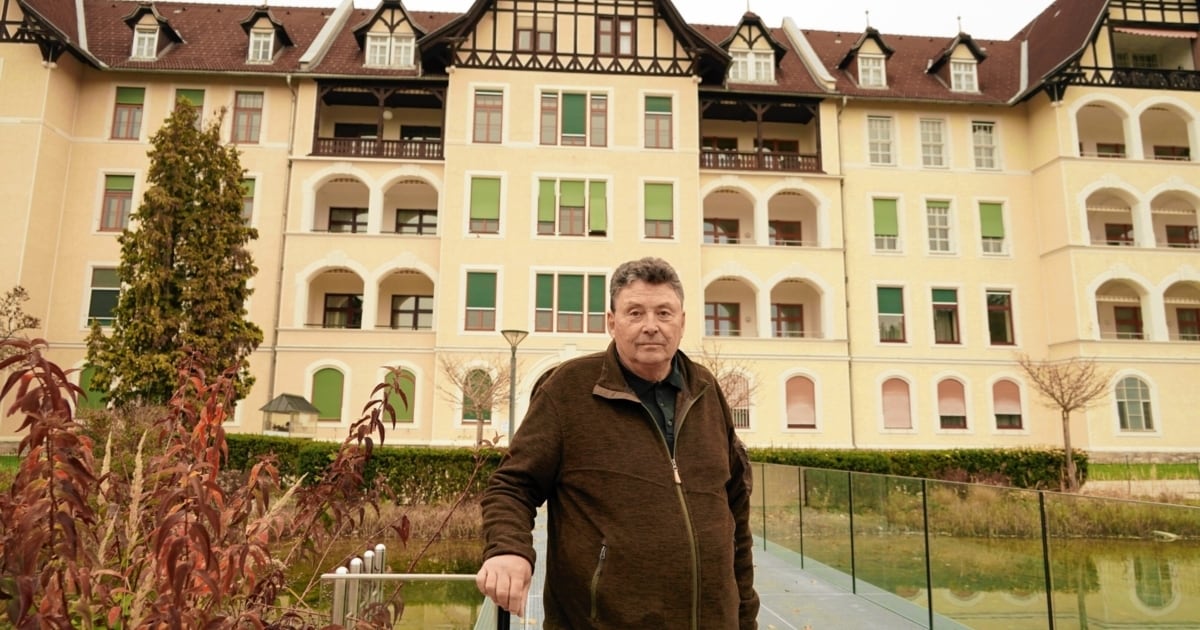
However, such an institution has already existed in Styria. The former LKH Hörgas was converted into a Long-Covid hospital during the pandemic – and was more than well utilized. When the provincial government decided to close the facility north of Graz in the spring of 2022, the criticism was strong. “The provincial councillor apparently does not know how much post-Covid patients suffer,” Florian Iberer said at the time, not holding back with his opinion about the former provincial health councillor Juliane Bogner-Strauß (ÖVP).

The former professor at the Medical University of Graz and head of transplant surgery at the LKH came out of retirement to lead the facility in Hörgas and emphasized its importance from the very beginning. He welcomes the decision by politicians to now address this issue after all: “I am positively surprised that this is now being taken into planning. I also consider the first steps that have been taken to be appropriate and good.”

“Inpatient care unavoidable”

However, Iberer cannot understand that patients are supposed to be cared for primarily through a network of general practitioners and an outpatient clinic: “Inpatient care is unavoidable. From my experience, severe cases do not come to the doctor’s office, and they also hardly benefit from a short doctor’s visit at home.”

Patients need physiotherapy and psychological support

Rather, Long-Covid patients would need daily physiotherapy and a special diet, and of course psychological support. For Iberer, these are things that only an inpatient stay can provide. “And in Hörgas all of this was available. One has to imagine that these people lie alone in a darkened room, usually also with headphones and a face mask – they are completely cut off from the world. That is why I warn against largely dispensing with inpatient therapy.”
 
Analysis by a sufferer: ME/CFS and experiences with doctors and the healthcare system
Some doctors know less about post-acute illnesses than they should, concludes Thomas Pölzler. The ethicist at the University of Graz himself suffers from severe ME/CFS.
"I arrived at rehab walking and came out in a wheelchair," a ME/CFS patient recently explained to the Salzburger Nachrichten – thus vividly illustrating the dangers of a lack of medical knowledge.
Almost word for word what a Scottish pwME (Emma?) testified in (IIRC?) a Scottish legislative hearing.
 

Supplementary instruments​


We also fund accompanying initiatives and projects to a lesser extent, primarily within our existing programs. The maximum funding amount is €100,000. The initiative for such projects stems directly from the work of the WWTF.

Previous tenders​


ME/CFS Fellowships 2026


The call for applications “ME/CFS Call 2026 – Fellowships” was published on October 14, 2025. This call was aimed at early-career researchers in the field of ME/CFS who wish to complete a six-month research stay at a research institution in Vienna, Lower Austria, or abroad. The ME/CFS fellowship program aims to strengthen the ME/CFS community by supporting outstanding young researchers and promoting the exchange of expertise.
Award amount: €233,171
Number of submissions: 7
Award procedure: Jury
Jury meeting: March 11, 2026
Formal decision by the WWTF board: March 31, 2026

Contact person: Benjamin Missbach
Chris Ponting (Chair) | University of Edinburgh, UK
Alba Azola | Johns Hopskins Hospital, US
Resia Pretorius |Stellenbosch University, SA
Elisa Oltra | Catholic University of Valencia, ES
David Putrino | Icahn School of Medicine - Mount Sinai, US
Keith Geraghty | University of Manchester, UK
Funded projects


ME/CFS 2024 - Understanding ME/CFS

NEXT - New Exciting Transfer Projects Call 2022

Roadmaps for Digital Humanism

COVID-19 Rapid Response Call

NEXT - New Exciting Transfer Projects Call 2019

NEXT - New Exciting Transfer Projects Call 2017

 
Prescribed doubts

General suspicion, outdated information, opinion instead of facts: A research by DOSSIER, APA and ORF shows with which questionable teaching documents reviewers of the pension insurance companies on ME/CFS and Post Covid are trained.


“If these documents are representative of what is taught, it is a systematic devaluation,” says the internist and post-Covid specialist Christoph Bammer. “This serves to mentally reinterpret somatic diseases, to delegitimize reports of patients and to make access to social benefits more difficult – and that with a system.”

Bammer is one of those experts to whom DOSSIER, APA and the ORF have presented sensitive internal training documents. The documents are aimed at physicians who prepare expert opinions on behalf of the pension insurance companies – and thus make a significant decision whether people who are seriously and sick for a long time receive living benefits.

This training material has so far been under wraps; parts of it are exclusively available to the research network. The content is explosive: Especially in the case of disease patterns in which the knowledge gaps among medical professionals are often particularly large – Post Covid and ME/CFS (Myalgic Encephalomyelitis / Chronic Fatigue Syndrome) – the documents paint a distorted picture: The diseases appear to be psychologically conditioned, accompanied by the implicit suspicion that complaints may be faked.

The Austrian Academy for Medical and Nursing Assessment (ÖBAK) is responsible for the content – an institution that hardly appears in public, but whose influence is significant. It certifies those reviewers who decide on disability, rehab or care allowance on behalf of the pension insurance companies and retrains them every five years.

The assessment academy is carried by the central actors of this system itself: the Pensionsversicherungsanstalt (PVA), the public servants, railways and mining (BVAEB), the Social Insurance of the Self-employed (SVS) and the General Accident Insurance Institution (AUVA). There is also a close link in terms of content: the ÖBAK Scientific Advisory Board participates in the teaching content – including representatives from the medical service of the respective insurance institutions.
 
Supply despite resistance: The planned PAIS center in Vienna

Plans for the Centre for Postacute Infection Syndromes are largely complete. At the facility, people with long Covid, other postviral illnesses and ME/CFS are to be diagnosed and treated. Behind the scenes, there is fierce discussion about whether ME/CFS is a standalone condition.
...
He also clarifies that the center will also be open to people suffering from the severe chronic disease ME/CFS. Postacute infectious syndromes also include ME/CFS “in our perception at least. There are different interpretations, there is a federal working group, so this is fiercely contested," says Rafetseder. It apparently refers to the working group set up by the Federal Target Control Commission, the body where the federal government, states and social insurance companies are planning Austria-wide health care.
...
But the question of whether it takes own treatment points for PAIS and ME/CFS is fiercely controversial, also in Vienna, this also became clear at the panel discussion. According to Rafetseder’s observation, “in the physicianship of medicine, there are many in the Vienna health association WIGEV who say this is not a disease, this is a condition. Then mental superpositions are very often mentioned”, so that psychological factors either trigger the symptoms or are the cause that physical symptoms continue after an infection.
 
Maybe there's a better thread for this, but there's a post on the MadeMeSmile subreddit from a musician in Austria called Sebass:

I am 24 and finally getting better. I have been chronically ill and mostly bedbound for 2 years with a very unknown disease. Making music from my bed has taken off and is getting millions of streams, all while educating people about the unknown horrible illness MECFS

Sebass's music is on BandCamp and YouTube.

I'm not sure what exactly this style of music is called, but it's electronic, with a lot of sampled audio. Similar to the artist Pretty Lights. One of my favorite genres.

Edit: Artist description from BandCamp:
Sebass is the definition of a bedroom producer. His condition called myalgic encephalomyelitis (M.E.), which struck him at the early age of only 21, requires him to stay in bed the majority of the day and live a different live than most.

While it is a devastating destiny, theres one clear upside to it: his music, coming from his bed, couldn't be more authentic, honest and true to his emotions.
 
Last edited:
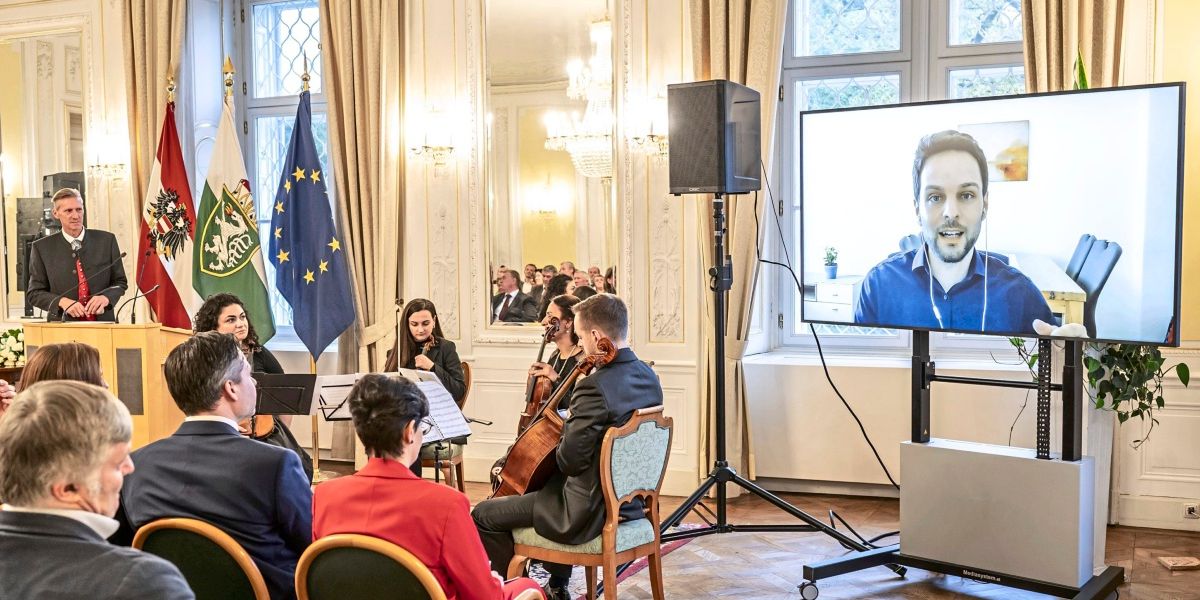
Don't know important this award is, but an Austrian journalist was awarded the Robert Hochner Prize for her reporting on Long Covid and ME/CFS.

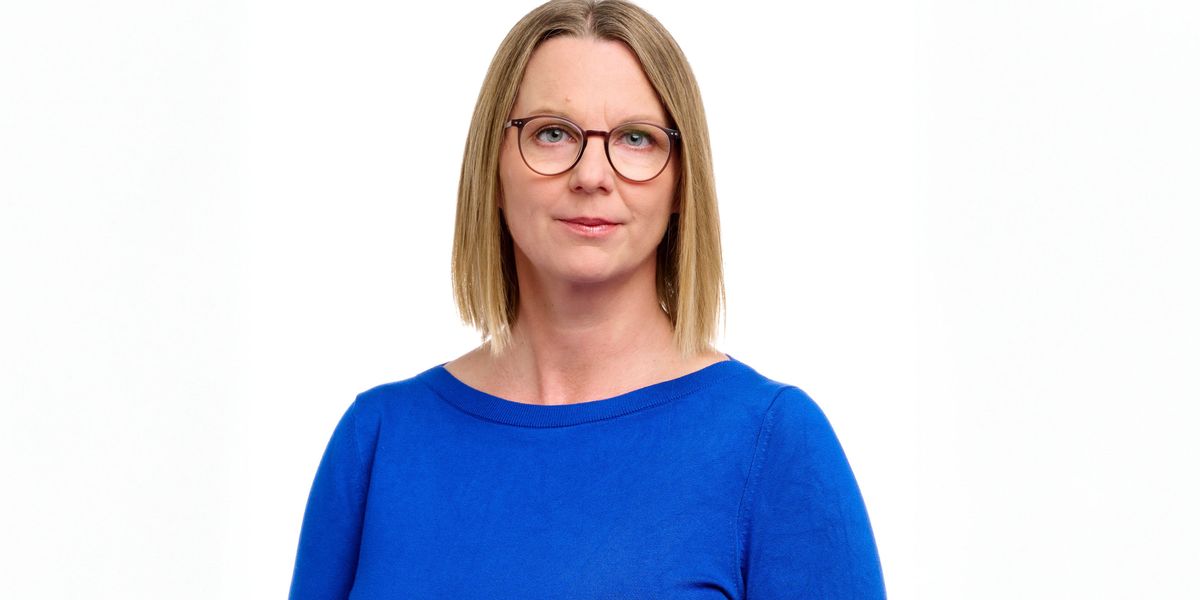
The Robert Hochner Prize 2026 goes to Constanze Ertl from ORF

The Robert Hochner Prize 2026 goes to Constanze Ertl of the ORF (Austrian Broadcasting Corporation). The chronicle journalist is being honored for her "courageous and persistent research and informative reporting on the highly sensitive area of the neglected and serious illness ME/CFS".


What a day, I'm so happy!! I sincerely hope this award will also bring momentum for improvements for everyone suffering from ME/CFS and their families. Thanks also to my editorial team and my amazing research colleagues.
 

Hundreds demonstrate in Zurich in support of chronic fatigue sufferers​

The organisers estimated that 800 people took part in the event, dubbed #MillionsMissing. In Switzerland, around 60,000 people live with myalgic encephalomyelitis (ME), also known as chronic fatigue syndrome (CFS) or systemic exertion intolerance. It is a serious and chronic neuro-immunological condition. In addition, there are an estimated 400,000 people suffering from Long Covid.

+ Swiss government tasked with developing strategy for Long Covid

During this day of action, the organisers from the Swiss society for ME and CFS highlighted the complete lack of specialist centres in most cantons and the prevalence of ad hoc services. They argue that diagnosis is often made too late, largely due to significant gaps in training on the subject.

On May 12, a national day of action in support of people with ME, various sites and landmarks across the country will be illuminated in blue.
 
Following the news article that Mira (14) was being robbed of her wheelchair at the children's university clinic of Basel there is evidence that also the Basel adult medical services with their work on Long Covid reinforce the psychiatrisation of ME/CFS:


At the university of Basel's psychology department Prof. Dr. Jens Gaab taught a course on "Krank ohne Ursache" (Sick without a cause)


establishing himself as one of the world's leading scholars of psychodynamic interpretations of ME/CFS.
 
Last edited:
At the same time there is also good news from Switzerland. At the School of Social Work at FHNW Dr. Cornelia Rüegger will offer an online training in autumn of 2026 on the theme of social support for children and adults with Long Covid and ME/CFS directed to medical, social, psychotherapeutic staff that also invites patients and family members/carers to participate.


The first module constists of a mandatory session on the somatic understanding of the illness. In the following modules topics like the non-curative role of psychotherapy, nursing severe patients, disability insurance are taught by LC and ME/CFS medical specialists, patient advocates, and the leaders in the field of building a support structure for patients in nursing and rehabilitation.

This link leads directly to the PDF flyer of the training:
 
Last edited:
At the university of Basel's psychology department Prof. Dr. Jens Gaab taught a course on "Krank ohne Ursache" (Sick without a cause)

establishing himself as one of the world's leading scholars of psychodynamic interpretations of ME/CFS.
Aarrgh!
Spontaneous thought: we should start a public wall of shame on MEpedia.
Every health professional who continued to push for CBT, GET and psychobabble after the PACE trial scandal showed that it’s not working/harmful gets a section where their work on actively harming pwME is documented.

At the same time there is also good news from Switzerland
That’s wonderful news indeed!
 
Last edited:
I thought of a patient award in the style of the Ig-Noble: Sigmund Freund Envy Penis Price for Excellency in the Psychodynamic Speculation about Woman's and Effeminate Males Psychiatric Malingering Without a Cause. :cool:
Mock them with wit and humour – I love it!
Hahhahaha this is great. We just need to buy a domain. Make a fake fancy website. And award this yearly award. hahahah
But we need more glamour – so much more glamour!
Isn’t the WE&ME Foundation running a yearly donation gala?
They should incorporate a IG-Noble section into their programme!
My vote goes to @dave30th in a bathtub as presenter while JE is sitting next to him eating After Eight.
If I were able to, I‘d rather watch that than the Oscars.
Someone should pitch our concept to WE&ME!
 
Back
Top Bottom