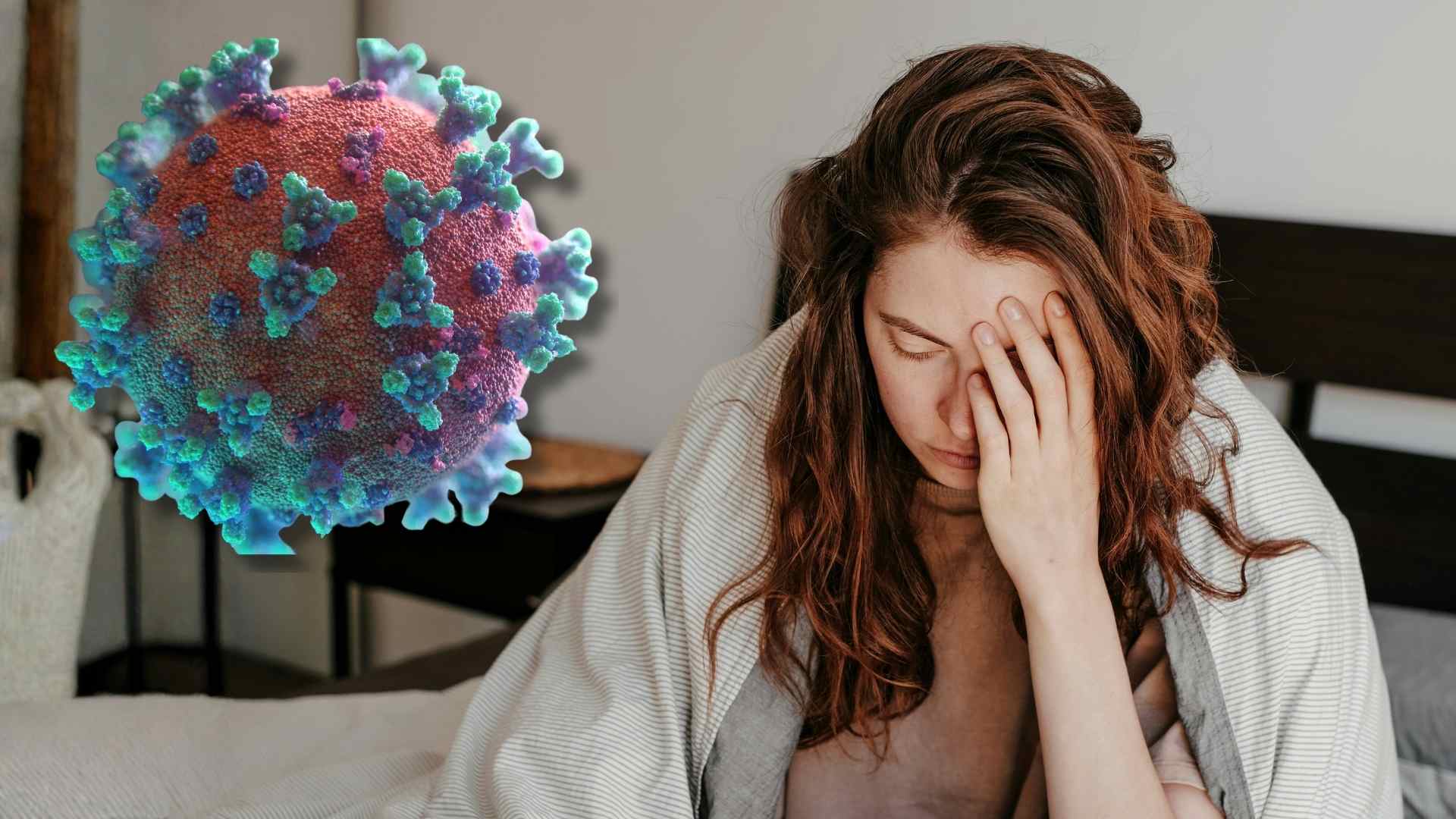
A new long COVID outpatient clinic is planned at Vienna’s AKH (General Hospital) and will be based at the University Clinic for Psychiatry and Psychotherapy.
Although no official opening date has been set, planning appears to be nearly complete, and interested patients can already register their interest.
Treatment attempts have been underway for some time under the direction of psychiatrist Lucie Bartova, a specialist in treatment-resistant depression.
The four-step treatment concept is based on a model used for therapy-resistant depression.
In an interview last October, Bartova explained that long COVID patients and people with depression or anxiety often share similar symptoms, including fatigue, memory and concentration problems, sleep disturbances, chronic pain, and heart palpitations.
She therefore proposed that similar treatment approaches might be effective.
However, placing post-acute infection syndromes (PAIS)—including long/post COVID and ME/CFS—close to psychiatric disorders has been criticized by patient representatives and ME/CFS specialists.
They warn against misclassifying these somatic conditions as psychiatric. In particular, post-exertional malaise (PEM), a key feature of ME/CFS and sometimes long COVID, is often confused with depression. Inappropriate treatments such as graded activation, which can help in depression, may in cases of PEM lead to severe deterioration and even permanent disability.
Misclassification may also affect research. Immunologist Akiko Iwasaki previously stated that the psychological framing of postviral diseases contributed to decades of limited research into the biological causes of ME/CFS.
German psychologist and ME/CFS expert Bettina Grande reiterated concerns about locating a long COVID clinic within psychiatry, calling it problematic for patient care, research, and social law if post COVID and ME/CFS are classified as psychiatric.
She argued that long COVID clinics should be situated in immunology, neurology, or internal medicine—clearly within somatic medicine.
Bartova, by contrast, rejected a strict separation between mental and physical illnesses, calling it outdated.
She emphasized that psychiatric disorders are brain disorders and that the brain, as the central organ, influences all bodily systems.
The treatment scheme used in the project, called “CoviKET,” begins with phytotherapy, followed by antidepressants and other psychotropic medications, sometimes in combination.
For a smaller group of patients, ketamine treatment is considered as a final step. According to Bartova, around 100 patients had been treated under this model by last October, with most reportedly showing improvement.
Project materials describe long COVID as a heterogeneous syndrome involving fatigue, sleep disturbances, anxiety, depressive symptoms, and other psychosomatic complaints.
Hypotheses about its causes include chronic inflammation from reactivated viruses, vascular damage in the central nervous system, and disturbances in neurotransmitter systems and neuroplasticity.
Elevated inflammatory markers have been reported.
The project draws on therapeutic algorithms used for depression, anxiety disorders, and ME/CFS, including lifestyle modification and medication.
At the psychiatric clinic, nasal esketamine—used according to guidelines for treatment-resistant depression—has reportedly led to remission in some patients.
Whether PEM is explicitly addressed in the project presentation is unclear. The S1 guideline for postviral conditions defines PEM as a worsening of symptoms after even minor exertion, often delayed by hours or a day. It emphasizes the importance of identifying PEM in cases of postviral fatigue and distinguishing postviral fatigue from structural organ damage after COVID or from other physical, psychological, or social causes.


 s4me.info