Upper Airway Resistance Syndrome (UARS): a common underlying cause for all "chronic complex illnesses"? (ME/CFS, fibro, GWI, etc.)

How would leave a patient with minor UARS who's predominant ME/CFS symptom is PEM/PENE with delayed 48 - 72 onset plus the usual OI/POTs?
@SteveFifield I think you saw my informal case report above about the improvement in my orthostatic intolerance/POTS on BiPAP. I think this study provides good evidence for UARS being able to cause OI (all of the patients in the study had orthostatic hypotension [OH], but as you may know, it's been suggested that OH and POTS may both be responses to the same underlying problem [e.g. hypovolemia], and I and others have experienced both, even fluctuating within short time frames - e.g. I remember one time I was doing NASA lean tests on myself off meds for my ME/CFS doctor and I had hyperPOTS one day when I was doing more activity/"running on adrenaline" and OH literally the next day when in PEM)

How might PEM possibly be related to UARS? We don't have any evidence on that, but IMO it fits with the proposed theory of UARS being a stress response disorder of the limbic system. Aspects of PEM like the following fit nicely with that IMO: PEM severity does not necessarily correspond to actual energy expenditure, you can end up in an identical state of PEM from physical/cognitive/emotional/social exertion or even sensory input alone, PEM can be prevented/reduced for many patients by taking CNS depressants like benzos/DXM ahead of exertion (Vicodin - also a CNS depressant - works the same for me).
Feels like it's a co-morbity or possibly enhances susceptibility, just as appears to be the case for EDS and hEDS.
I think UARS is the cause of my ME/CFS. I find that much more plausible than that I have two disorders with all of these overlapping symptoms (the only core symptom of ME/CFS there's no link to in the UARS lit is PEM: unrefreshing sleep, fatigue, and cognitive dysfunction are well-recognized symptoms of UARS, and I think there's good evidence for myalgia and OI too). Many people, myself included, did not have PEM when our illness first started (and I don't think we developed a new/separate illness when PEM emerged); whatever ME/CFS is, I think you can have a form of it without PEM (yes, I know, by definition it's not ME/CFS then...)

All of my symptoms improved quite quickly when I got on BiPAP: my muscle pain was about 50% improved by the end of the first week, and ~3 weeks in I stopped the bupropion and my acute OI symptoms on standing were resolved.

Some might say the improvement in my symptoms was what was being caused by UARS, and everything left over is ME/CFS. I'm more inclined to believe that whatever was causing my symptoms before (a stress response to inspiratory flow limitation during sleep, according to the UARS theory), BiPAP is activating the same pathway, just to a lesser degree, since literally all of my ME/CFS symptoms - including PEM - improved on BiPAP (and I think this fits with the olfactory nerve hypothesis of UARS):
I think the partial (~35-50%) improvement that most "chronic complex illness" patients experience on properly titrated PAP fits with the olfactory nerve - limbic system sensitization hypothesis (the olfactory nerve has been shown to have mechanosensory properties, sensing changes in nasal airflow/pressure - see my OP), because if our limbic systems have become sensitized to changes in nasal airflow/pressure outside of "normal" breathing (i.e. IFL) during sleep, then we are probably going to react to having pressurized air blown up our noses as a stressor too lol.

I have a BlueSky thread on this topic.

Here is another study (The effects of nasal anesthesia on breathing during sleep) that supports the role of olfactory mechanosensory input to the brain: nasal anesthesia during sleep resulted in a fourfold increase in apneas (equally distributed between central and obstructive); the increase in central apneas suggests that olfactory mechanosensory input to the limbic system is involved in regulation/rhythmicity of breathing (central apnea = brain fails to send signals telling you to breathe). The increase in obstructive apneas could be because nasal anesthesia disrupts the nasal-respiratory reflex and suppresses the activity of muscles in the upper airway.
 
Last edited:
There will be a "clinician roundtable" talk by Dr. Gold hosted by Renegade Research on 3/6 at 11am CST - the talk will be recorded and available on YouTube afterwards. His talk will focus on the evidence from his research for fatigue as a symptom of UARS/OSAS and how it can be improved by CPAP, and at the end he will discuss his clinical experience with 100 Long COVID patients he has seen referred by Stony Brook's Post-COVID clinic (not specifically for suspected sleep-disordered breathing).

Anyone can attend; registration here:

https://us06web.zoom.us/webinar/register/4417709293491/WN_c9VNLoTCTm-ExhCCw2wiCw#/registration

Note: the time was wrong in the original Twitter announcement, it is at NOON ET, not 1pm ET (EDIT, it has now been corrected):

 
Last edited:
Here is the talk by Dr. Gold hosted by Renegade Research. Dr. John Haughton (medical director, Renegade Research), Dr. Bela Chheda (Center for Complex Diseases), Dr. Anil Rama (private practice, Sleep and Brain), and Dr. Kishan Tarpara (sleep and autonomic dysfunction clinics, Vanderbilt) were panelists.

He didn't actually get through his full talk/to the part about the Long COVID patients - there may be a part 2 in a few months.

 
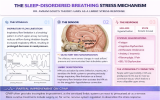
Here is an updated version of the AI summary of the UARS theory with links (most of the links are to S4ME threads, but a few are to Bluesky threads of mine). I have also included an infographic at the end that I made to help others understand the theory and a YouTube talk by Dr. Denise Dewald on inspiratory flow limitation. At some point over the next several months, I am going to make a "UARS Theory - Take 2" thread on S4ME, perhaps using this AI summary as a template/starting point (but I'm going to try hard to make it readable/understandable for people), so please let me know if you have any suggestions or there is any part of the theory that seems particularly unclear.

Abstract

This document outlines the theory, primarily developed by Dr. Avram Gold (medical director of Stony Brook University Sleep Disorders Center), that many "complex chronic illnesses"—including Myalgic Encephalomyelitis/Chronic Fatigue Syndrome (ME/CFS), fibromyalgia (FM), and Gulf War Illness (GWI)—are driven by a physiological stress response in the central nervous system (CNS) to sleep-disordered breathing. The core of this theory posits that the brain's limbic system becomes sensitized to inspiratory flow limitation (IFL) during sleep following a significant physiological or psychological stressor (e.g., infection, trauma, surgery, chemical exposure, etc.). This sensitization transforms previously benign breathing resistance into a chronic, pathological stressor that perpetuates symptoms like fatigue, pain, cognitive dysfunction, insomnia and autonomic instability. This framework challenges the conventional understanding of sleep-disordered breathing by shifting the focus from apnea-hypopnea events and arousals to the neurological response to IFL. The evidence presented, drawn from clinical studies, case reports, and population data, suggests this mechanism is a factual cause for at least some cases of fibromyalgia and GWI, and warrants serious investigation for ME/CFS and other related conditions.


A central tenet of this hypothesis is that the current diagnostic paradigm for sleep-disordered breathing (SDB) is flawed and overlooks the primary driver of symptoms in many patients.
  • The Inadequacy of the Apnea-Hypopnea Index (AHI): The AHI, which measures complete and partial cessations of breathing, correlates poorly with symptoms like fatigue and sleepiness. This is underscored by the fact that over 50% of individuals with diagnosed Obstructive Sleep Apnea (OSA, AHI ≥5) are asymptomatic. If apneas, hypopneas, and the resulting arousals were the primary cause of symptoms, a stronger correlation would be expected.
  • The Central Role of Inspiratory Flow Limitation (IFL): The hypothesis proposes that the crucial pathological event is not necessarily apnea but IFL—the subtle, often inaudible "fluttering" (rapid opening and closing) of the upper airway (pharynx) during inhalation. This includes snoring but also non-audible fluttering. Large-scale epidemiological data supports this, showing that snoring (a proxy for IFL) - not AHI - is the factor most strongly associated with excessive daytime sleepiness* (most people with an AHI ≥5 snore). Two large sample size studies showed that increased IFL was associated with excessive daytime sleepiness* and psychomotor vigilance task lapses. However, IFL alone is not enough to cause symptoms; one study comparing UARS patients to matched controls found that even controls rigorously screened to be free of any medical conditions, any chronic fatigue/pain/etc. can have high levels of IFL.
*A recent study identified that the Epworth Sleepiness Scale - which is used to assess daytime sleepiness - actually measures an uninterpretable mix of objective sleepiness and fatigue.


Dr. Gold's theory is not that inspiratory flow limitation itself causes these illnesses, but that the brain's reaction to it does.
  • A Two-Step Process:
    1. Pre-existing Condition: An individual has a baseline level of IFL during sleep, which their brain does not perceive as a threat.
    2. Sensitizing Event: A significant stressor—such as an infection, physical trauma, surgery, chemical exposure, or severe psychological stress—activates the body's primary stress pathway, the hypothalamic-pituitary-adrenal (HPA) axis.
  • The Sensitization Mechanism: This HPA axis activation leads to the sensitization of the limbic system (the brain's emotional and stress-response center). The hypothesis suggests this may occur via the olfactory nerve, which senses changes in nasal airflow and pressure and has direct connections to the limbic system (during IFL there are prolonged decreases in nasal pressure compared to non-flow-limited breathing).
  • Pathological Consequence:Post-sensitization, the brain begins to interpret the previously ignored IFL as a noxious, threatening stimulus. This triggers a recurring, nightly stress response that drives the diverse symptoms of chronic illness, from profound fatigue and body-wide pain to autonomic dysfunction and cognitive impairment.
    • A study by Dr. Gold of consecutive SDB patients at a sleep clinic found that there was a statistically significant inverse relationship between AHI and symptoms like sleep-onset insomnia, headaches, and IBS (as well as alpha-delta sleep), with UARS patients having the highest prevalence of these symptoms and patients with moderate-severe OSA having the lowest prevalence. This could be explained by the fact that as frequency of apneas (complete/near-complete cessation of airflow) increases, exposure to IFL decreases.


Multiple lines of evidence support the connection between IFL and complex chronic illnesses.

A controlled study of Gulf War illness (GWI) patients provides the strongest direct evidence for this theory:
  • Objective Sleep Findings: 18 veterans with GWI were compared to 11 asymptomatic, age- and BMI-matched Gulf War veterans. The GWI group experienced IFL during 96% ± 5% of their sleep, whereas the control group experienced it only 36% ± 25% of the time. This difference was highly statistically significant (p<0.0001).
  • Treatment Efficacy: When treated with therapeutic CPAP, the GWI patients experienced significant improvements in fatigue, pain, and cognitive function. This subjective improvement was directly correlated with an objective finding: a decrease in sleep stage shifts. The control group, which received sham CPAP, did not improve and in fact worsened slightly.
The link to fibromyalgia is supported by physiological data, prevalence studies, and case reports:
  • Increased Airway Collapsibility: A study by Dr. Gold found that female fibromyalgia patients had a more collapsible upper airway (comparable to those of female UARS patients), measured by the pharyngeal critical closing pressure (Pcrit). This anatomical predisposition provides a physical basis for increased IFL.
  • High Prevalence of OSA in fibromyalgia: One study found that when polysomnography was offered to consecutive female fibromyalgia patients in a rheumatology clinic, 100% of the 23 who agreed to testing had OSA, with 83% having an AHI >15. This prevalence is drastically higher than the ~17% found in the general female population.
  • High Prevalence of fibromyalgia in OSA: A meta-analysis found a 21% prevalence of fibromyalgia in OSA patients (vs. a meta-analysis that found a 1.78% prevalence of fibromyalgia in the general population).
  • Symptom Resolution with Treatment: At least two independent case reports from different countries document the near-complete resolution of severe, long-standing fibromyalgia symptoms following treatment for SDB (one with CPAP, one with a mandibular advancement device). Critically, one report documented that alpha-delta sleep—an objective biomarker associated with fibromyalgia—disappeared along with the patient's symptoms after treatment.
Orthostatic intolerance/dysautonomia: The theory may also explain the different autonomic presentations between UARS and classic OSA:
  • UARS and Hypotension: One study found that 93 out of 400 consecutive UARS patients at Stanford had low blood pressure, and all 15 who underwent tilt-table testing had orthostatic hypotension. In contrast, only 2 out of 3,369 OSA patients had low blood pressure.
  • Mechanism of Divergence: It is hypothesized that the prolonged, sub-atmospheric pressure in the nasal airway during IFL (characteristic of UARS) leads to sympathetic nerve dysfunction and hypotension. One study found parasympathetic hyperactivation in response to IFL in UARS patients. Conversely, the recurrent hypoxemia seen in classic OSA triggers repetitive pressor responses, eventually leading to daytime hypertension.
Chronic insomnia, a common symptom in ME/CFS, fibromyalgia, and GWI, has been shown to be very strongly associated with SDB:
  • In a study of chronic insomnia patients who believed their sleep problems were due to psychological, psychiatric, behavioral, or environmental factors, after excluding hundreds of patients with OSA signs/symptoms and risk factors, only 1/62 chronic insomnia patients who underwent polysomnography (PSG) did not meet criteria for OSA/UARS. Of the 40 final patients, 90% met criteria for OSA and 10% UARS (the prevalence of OSA in the general population is ~20%).

This hypothesis provides a unifying framework that can explain many puzzling aspects of ME/CFS and related illnesses.
  • The Hypermobility Connection: It can explain why people with hypermobility are more likely to develop ME/CFS, fibromyalgia, and related disorders (more lax connective tissue = more collapsible upper airway). A meta-analysis found that patients with EDS (all types, including hypermobile) and Marfan syndrome were ~6 times more likely to have OSA than the general population. A parallel cohort study of EDS patients (various types, including hypermobile) and matched controls found that the impact of EDS on AHI was comparable to that of a 11 kg/m2 BMI gain.
  • Diverse Triggers: It accounts for how any type of stressor—not just infections—can trigger an identical syndrome by focusing on HPA axis activation as the common pathway to sensitization.
  • Symptom Variability/Fluctuations: It can account for both gradual and rapid onsets, and why symptoms in ME/CFS and related disorders often show significant variability and fluctuations, even within relatively short time periods (e.g. by the day/hour). It also provides a plausible explanation for remissions and relapses, and why recovery is more likely early on, especially with rest/pacing (stress response less ingrained). It can even account for mind-body/"brain retraining" recoveries (for some, this may be enough to turn off the UARS stress response).
  • Post-Exertional Malaise (PEM): PEM can be understood as a manifestation of a dysfunctional CNS stress response. Exertion (physical, cognitive, emotional or sensory) acts as an additional stressor on an already over-taxed system, leading to a crash. This aligns with observations that CNS depressants (e.g., benzodiazepines) can sometimes prevent or reduce PEM, and that PEM (severity) does not always correspond to energy expenditure, but rather seems to be more about how much "stress" (negative/positive) the activity/stimulus places on us.
  • Partial Efficacy of Treatment: It explains why treatments like CPAP/BiPAP often provide significant (~35-50%) but incomplete relief. While these therapies reduce IFL, the device itself (pressure, mask) can act as a new stressor on a highly sensitized nervous system, preventing full recovery. More curative treatments may involve surgery or, for some, nervous system regulation techniques that aim to desensitize the stress response itself.
"I think of flow limitation as a really important thing to look at when you're looking at a PSG [polysomnogram] and deciding is this a normal study or not? Spoiler alert: just about everyone who's referred for a sleep complaint does not have a normal study. After thousands of sleep studies, I have yet to see an actual normal study [i.e. no flow limitation during non-REM sleep] in someone who was symptomatic. The only normal studies I've seen are people who are referred because they needed a sleep study for bariatric surgery or because they work in transportation...Oh, and there was one guy who was sent by his cardiologist because he developed atrial fibrillation, and so of course he needed a sleep study, but he had rheumatic valvular disease." - Denise Dewald, MD

Physiology/physics of IFL (and Pcrit) is discussed at 5:45.


1775329066346.jpeg
 
Last edited:
I am afraid that none of that dents (or runs contrary to ) my arguments as far as I can see @nataliezzz. I have worked alongside physicians like this all my life. They pass the 'difficult' patients around until somebody with a theory collects them and treats them without doing trials.

Still, if you have some more thoughts, let's hear them.
Yes, there's more now : ) See above.
 
It seems that Gold has been batting on about this for twenty years but not published anything of interest.
Hopefully publishing a study showing that the Epworth Sleepiness Scale - pretty much the sole patient report measure used in sleep medicine - does not actually just measure what it purports to (sleepiness), but rather an uninterpretable mix of objective sleepiness and fatigue (which are uncorrelated symptoms in OSA patients) - will be of interest to sleep medicine. If not, I don't really have any hope left for them (whatever little I might have still had left).
 
This hypothesis provides a unifying framework that can explain many puzzling aspects of ME/CFS and related illnesses.
  • The Hypermobility Connection: It can explain why people with hypermobility are more likely to develop ME/CFS, fibromyalgia, and related disorders (more lax connective tissue = more collapsible upper airway). A meta-analysis found that patients with EDS (all types, including hypermobile) and Marfan syndrome were ~6 times more likely to have OSA than the general population. A parallel cohort study of EDS patients (various types, including hypermobile) and matched controls found that the impact of EDS on AHI was comparable to that of a 11 kg/m2 BMI gain.
  • Diverse Triggers: It accounts for how any type of stressor—not just infections—can trigger an identical syndrome by focusing on HPA axis activation as the common pathway to sensitization.
  • Symptom Variability/Fluctuations: It can account for both gradual and rapid onsets, and why symptoms in ME/CFS and related disorders often show significant variability and fluctuations, even within relatively short time periods (e.g. by the day/hour). It also provides a plausible explanation for remissions and relapses, and why recovery is more likely early on, especially with rest/pacing (stress response less ingrained). It can even account for mind-body/"brain retraining" recoveries (for some, this may be enough to turn off the UARS stress response).
  • Post-Exertional Malaise (PEM): PEM can be understood as a manifestation of a dysfunctional CNS stress response. Exertion (physical, cognitive, emotional or sensory) acts as an additional stressor on an already over-taxed system, leading to a crash. This aligns with observations that CNS depressants (e.g., benzodiazepines) can sometimes prevent or reduce PEM, and that PEM (severity) does not always correspond to energy expenditure, but rather seems to be more about how much "stress" (negative/positive) the activity/stimulus places on us.
  • Partial Efficacy of Treatment: It explains why treatments like CPAP/BiPAP often provide significant (~35-50%) but incomplete relief. While these therapies reduce IFL, the device itself (pressure, mask) can act as a new stressor on a highly sensitized nervous system, preventing full recovery. More curative treatments may involve surgery or, for some, nervous system regulation techniques that aim to desensitize the stress response itself.
Are these Dr Gold's hypotheses or yours, @Natalie?

The thing that strikes me most is how weak and unevidenced each of these items on the list is.

The hypermobility connection has not been established as existing for ME/CFS, with no large scale epidemiology studies. All the studies I have seen come from clinics looking for a connection in their patients. As word gets around, people with ME/CFS who also have bendy joints may be more inclined to go to those clinics, or raise it with those clinicians. As far as I recall, population estimates of prevalence of hypermobility vary hugely anyway, so clinicians keen to claim a connection pick the ones that suit their theories. Others here may recall specific data that suggests the hypothesis is unfounded. I think the UK ME/CFS biobank sample didn't have a higher than normal prevalence of hEDS or hypermobility than the general population. Nor, as far as I know, is there evidence that everyone with lax joints also has connective tissue weakness in other parts of the body.

HPA axis and stress are not by any means established as having anything to do with either onset of ME/CFS, ME/CFS symptoms or severity, or PEM. So using this assumption as the basis of making a hypothesised connection with UARS and any other sort of sleep disordered breathing first to HPA axis disturbance, and then to ME/CFS and PEM is a series of unevidenced steps that do not establish anything as far as I can see. It looks more like wishful thinking from someone determined to make a connection, than scientific reasoning.

The idea that partial relief of GWI, FM and ME/CFS symptoms after using CPAP shows a connection is flawed too. All that may be happening is reduction in some symptoms due to sleeping better, it may have no connection with the underlying illness. Some pwME feel a bit better from using sleep meds. That doesn't mean poor sleep is a cause of ME/CFS, it is more likely a consequence.

This reminds me, as do so many hypotheses we are presented with, of the wise scientist who reminded us that if you want to find out whether your hypothesis is correct, you need to work very hard to test it to destruction by designing tests intended to DISPROVE your hypothesis.

Obvious paths to explore would be to find out data on large populations, if there is any, of people diagnosed with multiple conditions and seeing whether those with OSA are more likely or not to be diagnosed with ME/CFS. Starting with a group of, for example, FM patients and inviting them to take part in a sleep study will inevitably produce skewed results, as only those who suspect they have a sleep disorder are likely to want to participate. I could go on....

I would suggest, rather than spending more time re-writing these hypotheses to try to make them clearer, it might be bettter to spend time exploring evidence against Dr Gold's and your hypotheses. Work at picking holes in his arguments and logic, show us you have really dug into all the flaws and missing evidence.

I am willing to believe I am wrong about all the points I make. I am not an expert. My point is really not about these particular hypotheses, it's about quality of evidence and the approach to exploring evidence.
 
Wyller recently found that higher levels of stress (measured by hair cortisol levels) prior to EBV infections, and stress during the 6 months after the infection, were not correlated with experiencing chronic fatigue.

That’s the opposite of what you’d expect from the limbic sensitisation line of thinking.

He also tried to chemically lower the stress response in a previous study and found that it made the chronic fatigue patients worse.
 
Wyller recently found that higher levels of stress (measured by hair cortisol levels) prior to EBV infections, and stress during the 6 months after the infection, were not correlated with experiencing chronic fatigue.

That’s the opposite of what you’d expect from the limbic sensitisation line of thinking.

He also tried to chemically lower the stress response in a previous study and found that it made the chronic fatigue patients worse.
It doesn't have to be chronic stress, it can just be an acute/temporary stressor like an infection for the limbic system to become sensitized to inspiratory flow limitation in this theory. However, many people with ME/CFS with non-infectious onsets who did not have an acute non-infectious trigger such as surgery, physical trauma, childbirth, chemical/mold exposure, etc. report that they were going through a period of increased stress of one kind or another when their symptoms started. My mom doesn't have ME/CFS, but she has had chronic insomnia (which can be caused by UARS/OSAS) for decades, and it started for her when she was working a stressful job.
 
Are these Dr Gold's hypotheses or yours, @Natalie?
They're mostly mine. Dr. Gold did mention the "joint hypermobility syndrome" connection in his 2011 hypothesis piece in Sleep Medicine Reviews though (though he focused on the fact that a narrow/high-arched palate - which predisposes to obstructive sleep-disordered breathing - is more common in people with "joint hypermobility syndrome", not the actual connective tissue laxity affecting upper airway collapsibility). He also discussed how diverse (including non-infectious) triggers can cause these disorders (CFS, fibromyalgia, etc.)

Let me get back to you on responding about the evidence on hypermobility and ME/CFS and related disorders so I have some time to look into that.
HPA axis and stress are not by any means established as having anything to do with either onset of ME/CFS, ME/CFS symptoms or severity, or PEM. So using this assumption as the basis of making a hypothesised connection with UARS and any other sort of sleep disordered breathing first to HPA axis disturbance, and then to ME/CFS and PEM is a series of unevidenced steps that do not establish anything as far as I can see. It looks more like wishful thinking from someone determined to make a connection, than scientific reasoning.
But diverse triggers for ME/CFS is established (I had a non-infectious onset, as have countless others, and I don't buy the explanation of "well, maybe all these people simultaneously acquired an asymptomatic infection mid-car crash/surgery/childbirth/chemical exposure/etc., which is the real cause of their ME/CFS" - do you?), so you do need some sort of explanation for how people can end up with an identical syndrome after a viral/bacterial infection and countless non-infectious triggers.

Also see my reply above to @Utsikt above; many people report an insidious/gradual onset to their ME/CFS during a period of increased stress of one type or another without an acute trigger:
It doesn't have to be chronic stress, it can just be an acute/temporary stressor like an infection for the limbic system to become sensitized to inspiratory flow limitation in this theory. However, many people with ME/CFS with non-infectious onsets who did not have an acute non-infectious trigger such as surgery, physical trauma, childbirth, chemical/mold exposure, etc. report that they were going through a period of increased stress of one kind or another when their symptoms started. My mom doesn't have ME/CFS, but she has had chronic insomnia (which can be caused by UARS/OSAS) for decades, and it started for her when she was working a stressful job.

The idea that partial relief of GWI, FM and ME/CFS symptoms after using CPAP shows a connection is flawed too. All that may be happening is reduction in some symptoms due to sleeping better, it may have no connection with the underlying illness. Some pwME feel a bit better from using sleep meds. That doesn't mean poor sleep is a cause of ME/CFS, it is more likely a consequence.
That's why I cited two independent case reports of complete cures of long-standing fibromyalgia with treatment of OSA (one patient had a 10-year history of fibromyalgia, the other a 21-year history); and in one case report, the objective finding of alpha-delta sleep (the only consistent objective finding associated with fibromyalgia that I am aware of, besides SFN perhaps), disappeared along with fibromyalgia symptoms. See discussion of that here:
Additionally, alpha-delta sleep (an objective finding associated with fibromyalgia) was absent from follow-up PSG. As far as I'm aware, there's not much out there on whether alpha-delta sleep is a finding that comes and goes in people who have it, or whether it is relatively stable. However, the first study that formally described alpha-delta sleep by Hauri and Hawkins (Sci-Hub link) which reported on 9 patients with various diagnoses with alpha-delta sleep ("the only psychological similarity among most alpha-delta patients was a general feeling of chronic, somatic malaise and fatigue") found that alpha-delta sleep was present during every laboratory night of the 9 patients (number of nights ranged from 2-6). Patient I was a "professional man under no psychiatric care" who had been "over-zealously treated with corticosteroids for the last 12 years"; alpha-delta sleep was seen while he was on dexamethasone feeling "weak, fatigued, with poor appetite and increased need for sleep." 4 weeks after steroid treatment was stopped (and he was started on Parnate) alpha-delta sleep was absent. But overall, the authors concluded "It seems unlikely that alpha-delta sleep is mainly a drug-related phenomenon":

Obvious paths to explore would be to find out data on large populations, if there is any, of people diagnosed with multiple conditions and seeing whether those with OSA are more likely or not to be diagnosed with ME/CFS. Starting with a group of, for example, FM patients and inviting them to take part in a sleep study will inevitably produce skewed results, as only those who suspect they have a sleep disorder are likely to want to participate. I could go on....
Re: large population data, see the meta-analysis of prevalence of fibromyalgia in OSA patients (yes, it would be good to do something similar with ME/CFS, but right now fibromyalgia is the only "complex chronic illness" we have this kind of data on).

In the study where consecutive female fibromyalgia patients at a rheumatology clinic were invited to undergo sleep studies and 40% (23) agreed (with 100% of those appearing to have OSA), only 14/23 (61%) actually had complaints related to sleep:
From this paper: 14 [out of 23] patients had complaints related to sleep. The most common complaints were insomnia, excessive daytime somnolence, and nonrestorative sleep. Nine patients reported restless legs.
That's actually lower than what I'm seeing in the literature for sleep complaints in fibromyalgia patients: "In two studies, more than 90% of FM patients reported disturbed and nonrestorative sleep. 9,10" (from: Self-reported nonrestorative sleep in fibromyalgia – relationship to impairments of body functions, personal function factors, and quality of life). The referenced studies:

The comparative burden of mild, moderate and severe Fibromyalgia: results from a cross-sectional survey in the United States
The significance, assessment, and management of nonrestorative sleep in fibromyalgia syndrome
 
Last edited:
I would suggest, rather than spending more time re-writing these hypotheses to try to make them clearer, it might be bettter to spend time exploring evidence against Dr Gold's and your hypotheses. Work at picking holes in his arguments and logic, show us you have really dug into all the flaws and missing evidence.

I am willing to believe I am wrong about all the points I make. I am not an expert. My point is really not about these particular hypotheses, it's about quality of evidence and the approach to exploring evidence.
I will try my best to be non-biased and straightforward about what the evidence does and doesn't show when I make a new thread on the theory. I do think it's a pretty good theory of "complex chronic illnesses" for many of the reasons I have discussed above (and deserves more attention and further investigation), but obviously I have my biases, so I will try to be more objective.
 
Hi @nataliezzz, could you explain exactly what you mean by "limbic system sensitization"? How would it be measured?

Hi, I've included some excerpts from Dr. Gold's 2011 hypothesis piece in Sleep Medicine Reviews (Sci-Hub full-text link) pertaining to limbic sensitization and how it may fit with this theory of UARS.

FSS = functional somatic syndrome SDB = sleep-disordered breathing
Multiple chemical sensitivity and neural sensitization

Multiple chemical sensitivity (MCS), an FSS that often co-exists with FSS like fibromyalgia and GWI, provides us with a model that can explain how a benign stimulus like mild SDB (snoring or mild sleep apnea) transforms into an allostatic challenge. MCS is an acquired disorder characterized by recurrent symptoms, referable to multiple organ systems, occurring in response to demonstrable exposure to many chemically unrelated compounds at doses far below those established in the general population to cause harmful effects.94 Pesticides, cigarette smoke, paint fumes, wood preservatives, office photocopier fumes, perfumes, and epoxy are among the chemically unrelated compounds that commonly trigger MCS. The symptoms of MCS include fatigue, cognitive problems, dizziness, depression, headache and joint pain.94 To account for the transformation of a benign odorant into an allostatic challenge, Bell and her associates at the University of Arizona have postulated a paradigm of MCS based upon a process of neural sensitization.95-97

Neural sensitization of the brain’s limbic system (Fig. 2) is a phenomenon that has been studied extensively as a model for substance abuse/addiction, bipolar disorder and anxiety disorders.98-100 The limbic system is the portion of the brain that recognizes and reacts to novel stimuli.101 Its main controller, the amygdala, receives input from the external/internal environment and analysis of the input by the hippocampus (which compares it to memories of previous experience), and initiates emotional, hormonal, autonomic, motor and cognitive responses that benefit the organism.101 Neural plasticity, the brain’s capacity to develop new anatomic and physiological connections, enables the limbic system to learn from experience and modify its responses. Therefore, neural plasticity may make the limbic system vulnerable to sensitization to a variety of stimuli.

The limbic system can become sensitized to sedatives, stimulants and electrical stimuli, producing a variety of responses. Repetitive exposure of mice to a fixed dose of alcohol, opiates or amphetamines results in a progressive increase in their locomotor response to the drug, a phenomenon known as behavioral sensitization.102 Repetitive exposure of an animal to focal electrical stimulation of the limbic system large enough to cause a short seizure with little motor accompaniment results in progressive increases in both the duration and motor accompaniment of the seizure, a phenomenon known as kindling.103 Neural sensitization of the limbic system demonstrates a certain degree of non-selectivity with cross-sensitization between stimuli occurring.104-106 In addition, emotional stress (by maternal separation, restraint or foot-shock) in rodents, without exposure to specific stimuli, induces neural sensitization to ethanol,107 morphine,108 amphetamine,109 cocaine110 and electrical kindling of the limbic system.111 Thus, neural sensitization is a somewhat non-selective process characterized by the amplification of the response to a variety of stimuli with allostatic challenge having the ability to sensitize, nonselectively.

Investigators of neural sensitization have identified several attributes in animals and humans that are associated with a predisposition to becoming sensitized. Among these characteristics are female gender,112 hyper-reactivity to the novel or unfamiliar113,114 (shyness,in humans113) and a preference for sweets.115 Furthermore, the children of alcoholic fathers (alcoholism being a form of neural sensitization) have increased alpha frequency power in their electroencephalogram (EEG).116,117 The presence of characteristics predisposing to neural sensitization in a patient population serves as circumstantial evidence for neural sensitization playing a role in the illness.


Neural sensitization to SDB [sleep-disordered breathing]

The relation of SDB to FSS and anxiety disorders fits Bell’s paradigm of MCS very well. Given that MCS is one of the FSS and that it occurs in individuals with other FSS like fibromyalgia and GWI, it is reasonable to conclude that any FSS patient may have attributes that predispose to neural sensitization. FSS and anxiety disorder patients are predominantly female1,120 demonstrate increased alpha frequency power in their sleeping EEG121 and an increased prevalence of alcoholic fathers.122 In addition, shyness and a preference for sweets are both characteristics of anxiety disorder patients. Indeed, the personality trait shyness represents the mild end of the spectrum of social phobia,123 and a preference for sweets is characteristic of females with anxiety disorders,124 particularly during their associated bouts of sleep-related eating.125,126 Therefore, FSS and anxiety disorders patients are characterized by attributes that support their being vulnerable to neural sensitization.

Figs. 3 and 4 illustrate a model of how the limbic system may become sensitized to pharyngeal collapse during sleep among
patients with FSS and anxiety disorders. Fig. 3 indicates that neural sensitization begins with a large allostatic challenge (a trigger factor) that greatly activates the HPA axis.24-29 The activation of the HPA axis results in the non-specific sensitization of the limbic system predisposing the individual to respond to a variety of odorants and pharyngeal collapse as an allostatic challenge with HPA axis activation. The tendency to neural sensitization is promoted by the hereditary factors: female gender, increased EEG alpha power/alcoholic father, shyness and sweet food-preference. Among individuals without pharyngeal collapse during sleep, as the allostatic challenge subsides, HPA axis activity lessens (Fig. 4)

Among individuals with SDB, the nightly occurrence of pharyngeal collapse serves as an allostatic challenge (a perpetuating factor), chronically activating the HPA axis, causing the symptoms associated with FSS and anxiety disorders. Prevention of SDB with nasal CPAP (the degree of prevention dependent upon CPAP compliance; Fig. 3) reduces the allostatic challenge activating the HPA axis and alleviates the symptoms of FSS and anxiety disorders. Thus, one can model the relationship of SDB to FSS and anxiety disorders as a process of limbic system sensitization to SDB.
Having proposed pharyngeal collapse as a stimulus to which the limbic system can be sensitized, an important issue remains to be addressed. All of the stimuli that have been found to cause neural sensitization are either chemical or electrical and have clear pathways to the limbic system through the blood and olfactory nerve (for alcohol, stimulants, sedatives and odorants) or through neighboring neurons (for kindling). Having modeled the relationship between SDB, FSS and anxiety disorders after Bell’s paradigm for MCS, how the limbic system can sense pharyngeal collapse with inspiratory airflow limitation and differentiate it from non-flow limited breathing remains to be addressed.

So from this Dr. Gold developed the olfactory nerve hypothesis of UARS:


Some studies showing high overlap of multiple chemical sensitivity and fibromyalgia and CFS:
I was planning on making a thread on the olfactory nerve hypothesis of UARS here (I haven't yet but did make threads for some of the relevant studies):
However, Dr. Gold has stated (when I asked him to explain the olfactory nerve hypothesis in this talk lol): "I'm not a neurobiologist, so the mechanism for the sensitization is a bit of a black box for me. But that there is cross-sensitization is very well known in the limbic system of the brain."


Regarding how you could measure the hypothesized limbic stress response, I'm not sure (I am also not a neuroscientist) - @Cranberry Jam (are you still here?) may be able to weigh in. We've discussed potential options like fMRI, EEG, etc. Since it seems clear that inspiratory flow limitation (IFL) is driving symptoms in (at least some) sleep-disordered breathing (SDB) patients, but that IFL alone is not enough to cause symptoms (see below), hopefully some method would be able to pick up differences in brain activity between symptomatic and asymptomatic SDB patients, and then you could test the olfactory nerve hypothesis e.g. by applying intranasal anesthesia and seeing how it affects the signal.
Two large sample size studies showed that increased IFL was associated with excessive daytime sleepiness* and psychomotor vigilance task lapses. However, IFL alone is not enough to cause symptoms; one study comparing UARS patients to matched controls found that even controls rigorously screened to be free of any medical conditions, any chronic fatigue/pain/etc. can have high levels of IFL.

Even if something like fMRI/EEG is not able to directly measure the (hypothesized) activity in the limbic system, there may be downstream effects of the stress response that distinguish symptomatic from asymptomatic SDB patients, such as the cyclic alternating pattern (CAP), and of course, alpha-delta sleep (although that is clearly not a universal finding in UARS patients).

 
Thanks for taking the time @nataliezzz. Let's look a little closer at the logic of the explanation here, since the whole theory seems to hinge on "limbic sensitization" being a real phenomenon that can explain the cause of a disease state.

Can I ask you to try to explain the phenomenon of limbic sensitization, fully in your own words? Several of the references in Dr. Gold's paper are familiar to me, and I've formed my own thoughts on them after digging into the evidence (it was a topic of interest of me several years ago). I am wondering whether your interpretation of that evidence differs from mine, and if that might explain why you find the UARS theory compelling.

[Edit: it would really help to start with small amounts of text here, so I'd be able to ask specific questions about your reasoning before the conversation goes in many different directions. Just a few sentences attempting to explain the main idea]
 
Last edited:
Back
Top Bottom