The influence of Mitoq on symptoms and cognition in fibromyalgia, myalgic encephalomyelitis and chronic fatigue
Cort Johnson; Grant, Joshua
Abstract
Fibromyalgia (FM), myalgic encephalomyelitis (ME) and chronic fatigue syndrome (CFS) are disorders with similar symptom- constellations including pain, fatigue, cognitive problems and sleep disturbance, among others. These multi-system illnesses have many known abnormalities, few reliable treatment options and unknown causes. Oxidative stress has been linked to disorder severity, suggesting anti-oxidants may be of benefit. Coenzyme Q10 (Q10) has been shown to improve symptoms and biomarkers of FM, and ME/CFS if taken in combination with another coenzyme. However, Q10 is poorly absorbed by mitochondria. MitoQ is a mitochondria-targeted Q10 analog with superior absorption and accumulation by mitochondria in vivo.
The current study tested the effect of 6-weeks of daily oral MitoQ (20mg) on FM and ME/CFS with two randomized, blinded, placebo-controlled crossover studies. A third open label cohort contributed data but did not receive placebo.
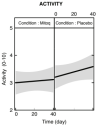
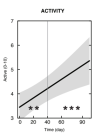
Results suggest MitoQ may reduce pain and increase working memory in FM. Further investigation in a more controlled environment is warranted.
Web | DOI | Unpublished
Cort Johnson; Grant, Joshua
Abstract
Fibromyalgia (FM), myalgic encephalomyelitis (ME) and chronic fatigue syndrome (CFS) are disorders with similar symptom- constellations including pain, fatigue, cognitive problems and sleep disturbance, among others. These multi-system illnesses have many known abnormalities, few reliable treatment options and unknown causes. Oxidative stress has been linked to disorder severity, suggesting anti-oxidants may be of benefit. Coenzyme Q10 (Q10) has been shown to improve symptoms and biomarkers of FM, and ME/CFS if taken in combination with another coenzyme. However, Q10 is poorly absorbed by mitochondria. MitoQ is a mitochondria-targeted Q10 analog with superior absorption and accumulation by mitochondria in vivo.
The current study tested the effect of 6-weeks of daily oral MitoQ (20mg) on FM and ME/CFS with two randomized, blinded, placebo-controlled crossover studies. A third open label cohort contributed data but did not receive placebo.
Results suggest MitoQ may reduce pain and increase working memory in FM. Further investigation in a more controlled environment is warranted.
Web | DOI | Unpublished