nataliezzz
Senior Member (Voting Rights)
A comparison of inspiratory airflow dynamics during sleep between upper airway resistance syndrome patients and healthy controls
Avram R. Gold, Joan E. Broderick, Morris S. Gold & Mohammad M. Amin
https://www.researchgate.net/publication/235620968_A_comparison_of_inspiratory_airflow_dynamics_during_sleep_between_upper_airway_resistance_syndrome_patients_and_healthy_controls (PDF available)
Objectives: A test of the hypothesis that upper airway resistance syndrome (UARS) patients have an increased prevalence of inspiratory airflow limitation (IFL) during sleep compared to healthy controls.
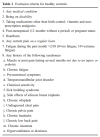
Methods: We compared inspiratory airflow dynamics during sleep between 12 UARS patients (nine females and three males) and 12 healthy controls matched for age, gender and obesity with maximal age limited at 45 years. A standard clinical polysomnogram (airflow measured with a nasal/oral pressure catheter) was performed to assess the impact of SDB on the participants' natural sleep. A second full-night polysomnogram with a pneumotachograph and a supraglottic pressure catheter to measure airflow and effort was performed to compare the maximal inspiratory airflow and effort and the percentage of flow-limited breaths during supine, continuous stage 2 sleep between groups.
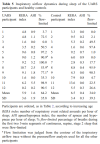
Results: During clinical polysomnography, UARS participants did not differ significantly from controls in sleep architecture or fragmentation. We observed a small difference in apnea hypopnea index between UARS participants and controls (1.6 ± 1.9 vs. 0.4 ± 0.3, respectively; p = 0.035). During supine, continuous stage 2 sleep, 64.2 % (35.8; mean (SD)) of UARS participants' breaths were flow-limited compared with 34.0 % (39.3) of controls' breaths (p = 0.06). The groups did not differ in maximal inspiratory airflow or inspiratory effort.
Conclusions: Our findings indicate a less-than-robust difference in respiratory parameters during sleep between UARS patients and healthy controls and no difference in standard sleep parameters or sleep fragmentation. We consider a pathophysiology of UARS that incorporates these findings.
Avram R. Gold, Joan E. Broderick, Morris S. Gold & Mohammad M. Amin
https://www.researchgate.net/publication/235620968_A_comparison_of_inspiratory_airflow_dynamics_during_sleep_between_upper_airway_resistance_syndrome_patients_and_healthy_controls (PDF available)
Objectives: A test of the hypothesis that upper airway resistance syndrome (UARS) patients have an increased prevalence of inspiratory airflow limitation (IFL) during sleep compared to healthy controls.
Methods: We compared inspiratory airflow dynamics during sleep between 12 UARS patients (nine females and three males) and 12 healthy controls matched for age, gender and obesity with maximal age limited at 45 years. A standard clinical polysomnogram (airflow measured with a nasal/oral pressure catheter) was performed to assess the impact of SDB on the participants' natural sleep. A second full-night polysomnogram with a pneumotachograph and a supraglottic pressure catheter to measure airflow and effort was performed to compare the maximal inspiratory airflow and effort and the percentage of flow-limited breaths during supine, continuous stage 2 sleep between groups.
Results: During clinical polysomnography, UARS participants did not differ significantly from controls in sleep architecture or fragmentation. We observed a small difference in apnea hypopnea index between UARS participants and controls (1.6 ± 1.9 vs. 0.4 ± 0.3, respectively; p = 0.035). During supine, continuous stage 2 sleep, 64.2 % (35.8; mean (SD)) of UARS participants' breaths were flow-limited compared with 34.0 % (39.3) of controls' breaths (p = 0.06). The groups did not differ in maximal inspiratory airflow or inspiratory effort.
Conclusions: Our findings indicate a less-than-robust difference in respiratory parameters during sleep between UARS patients and healthy controls and no difference in standard sleep parameters or sleep fragmentation. We consider a pathophysiology of UARS that incorporates these findings.