Treatment effects of multimodal inpatient psychotherapy for post-COVID patients: First results from a non-randomized, controlled study
BACKGROUND
Evidence-based treatment options for post-COVID syndrome remain limited. This study evaluated the effectiveness of a five-week inpatient psychosomatic treatment program for post-COVID patients.
METHODS
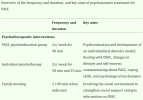
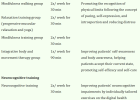
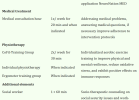
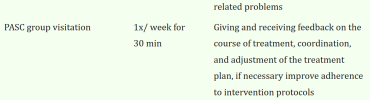
In this prospective non-randomized controlled trial, patients with confirmed post-COVID syndrome were recruited from a specialized Post-COVID Center and allocated, based on treatment preference, either to a five-week multimodal inpatient psychosomatic program (intervention group) or to treatment-as-usual without inpatient psychosomatic care (control group). Outcomes were assessed at baseline (T0) and after five weeks (T1). Measures included post-COVID symptom severity (PCS score), fatigue (FSS), depressive symptoms (PHQ-9), anxiety (GAD-7), health-related quality of life (SF-36), and illness-related coping competence (PCQ-2). Group differences over time were analyzed using repeated-measures analysis of covariance, controlling for the T0-T1 interval.
RESULTS
The present study included 71 patients in the intervention group and 49 in the control group, with no baseline group differences in outcomes. Compared with controls, the intervention group showed significantly larger improvements in depressive symptoms (p = .042, η2ₚ = 0.035), mental health-related quality of life (p = .014, η2ₚ = 0.064), social functioning (p = .005, η2ₚ = 0.084), and overall patient competence (p = .018, η2ₚ = 0.048). No group-by-time interaction effects were found for post-COVID symptom severity, fatigue, anxiety, or physical health-related quality of life. Within the intervention group, significant but small improvements were found for fatigue (p = .029, d = 0.275) and anxiety (p = .008, d = 0.324), alongside improvements in psychological outcomes.
DISCUSSION
A structured inpatient psychosomatic program can improve psychological well-being and coping competence in post-COVID patients with mental health comorbidities. While effects on physical symptoms were limited, strengthened coping resources may facilitate longer-term stabilization.
TRIAL REGISTRATION
German Clinical Trial Register (DRKS), retrospectively registered: 15.02.2024; DRKS-ID: DRKS00033562.
HIGHLIGHTS
• Patients coping competence increased significantly following treatment.
• Inpatient psychosomatic care reduces psychological burden of post-COVID patients.
• Depressive symptoms decreased more with inpatient treatment than with usual care.
• Mental health–related quality of life improved more in the intervention group.
• Fatigue showed pre–post improvement in the intervention group.
Web | DOI | PDF | Journal of Psychosomatic Research | Open Access
Koller; Hanc; Herold; Kastel-Hoffmann; Morawa; Erim
BACKGROUND
Evidence-based treatment options for post-COVID syndrome remain limited. This study evaluated the effectiveness of a five-week inpatient psychosomatic treatment program for post-COVID patients.
METHODS
In this prospective non-randomized controlled trial, patients with confirmed post-COVID syndrome were recruited from a specialized Post-COVID Center and allocated, based on treatment preference, either to a five-week multimodal inpatient psychosomatic program (intervention group) or to treatment-as-usual without inpatient psychosomatic care (control group). Outcomes were assessed at baseline (T0) and after five weeks (T1). Measures included post-COVID symptom severity (PCS score), fatigue (FSS), depressive symptoms (PHQ-9), anxiety (GAD-7), health-related quality of life (SF-36), and illness-related coping competence (PCQ-2). Group differences over time were analyzed using repeated-measures analysis of covariance, controlling for the T0-T1 interval.
RESULTS
The present study included 71 patients in the intervention group and 49 in the control group, with no baseline group differences in outcomes. Compared with controls, the intervention group showed significantly larger improvements in depressive symptoms (p = .042, η2ₚ = 0.035), mental health-related quality of life (p = .014, η2ₚ = 0.064), social functioning (p = .005, η2ₚ = 0.084), and overall patient competence (p = .018, η2ₚ = 0.048). No group-by-time interaction effects were found for post-COVID symptom severity, fatigue, anxiety, or physical health-related quality of life. Within the intervention group, significant but small improvements were found for fatigue (p = .029, d = 0.275) and anxiety (p = .008, d = 0.324), alongside improvements in psychological outcomes.
DISCUSSION
A structured inpatient psychosomatic program can improve psychological well-being and coping competence in post-COVID patients with mental health comorbidities. While effects on physical symptoms were limited, strengthened coping resources may facilitate longer-term stabilization.
TRIAL REGISTRATION
German Clinical Trial Register (DRKS), retrospectively registered: 15.02.2024; DRKS-ID: DRKS00033562.
HIGHLIGHTS
• Patients coping competence increased significantly following treatment.
• Inpatient psychosomatic care reduces psychological burden of post-COVID patients.
• Depressive symptoms decreased more with inpatient treatment than with usual care.
• Mental health–related quality of life improved more in the intervention group.
• Fatigue showed pre–post improvement in the intervention group.
Web | DOI | PDF | Journal of Psychosomatic Research | Open Access