Andy
Senior Member (Voting rights)
Abstract
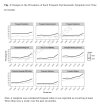
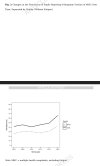
Psychosomatic symptoms have become increasingly prevalent among adolescents; however, trends covering a longer period remain underexplored in Hungary. This study examines changes in psychosomatic symptoms among school-aged children using nationally representative data from the Hungarian Health Behaviour in School-aged Children (HBSC) survey, collected in 2002, 2006, 2010, 2014, 2018, and 2022 (N = 37,930; Mage = 14.88 years, SDage = 2.36 years; boys = 49.3%). Descriptive statistics, logistic regression analyses, and ANCOVAs were conducted to assess trends from 2002 to 2022.Girls and older adolescents reported more symptoms overall, with 2022 showing the highest prevalence across all symptom categories in both genders. The proportion of adolescents reporting multiple health complaints (MHC) (excluding fatigue) became considerably more common between 2010 and 2022, increasing from 40.6 to 65.6% among girls, and from 30.2 to 42% among boys. Fatigue emerged as the most reported frequent symptom across all survey waves among both genders, peaking in 2022 at 47.5% among boys and 67.6% among girls. The findings point to a trajectory—particularly in recent years—highlighting the urgent need for targeted interventions and policy actions to support adolescent health.
Open access