We've made this social media summary of the article but for if you want to engage with the content or find references to the studies, it's best to look at the full article.
1) New article: we've made a comprehensive overview of the immune system in ME/CFS, analyzing major studies of the past 40 years.
A longread with separate chapters on:
- viral persistence
- cytokines
- neuroinflammation
- antibodies
- immune cells such as NK, B, and T cells
2) One of the major findings is that current evidence in blood does not point to (low-grade) inflammation as driving ME/CFS symptoms.
This probably means that it’s either hidden in tissue or involves an entirely different immune pathway.
3) This may come as a surprise because numerous studies talk about (low-grade) inflammation as being key in ME/CFS. We found that there’s a contradiction between what papers claim in this regard and what the actual evidence shows.
4) Studies show no consistent elevation of inflammatory cytokines in ME/CFS, even after an exercise test, and there’s no increase in inflammatory markers such as ESR and CRP.
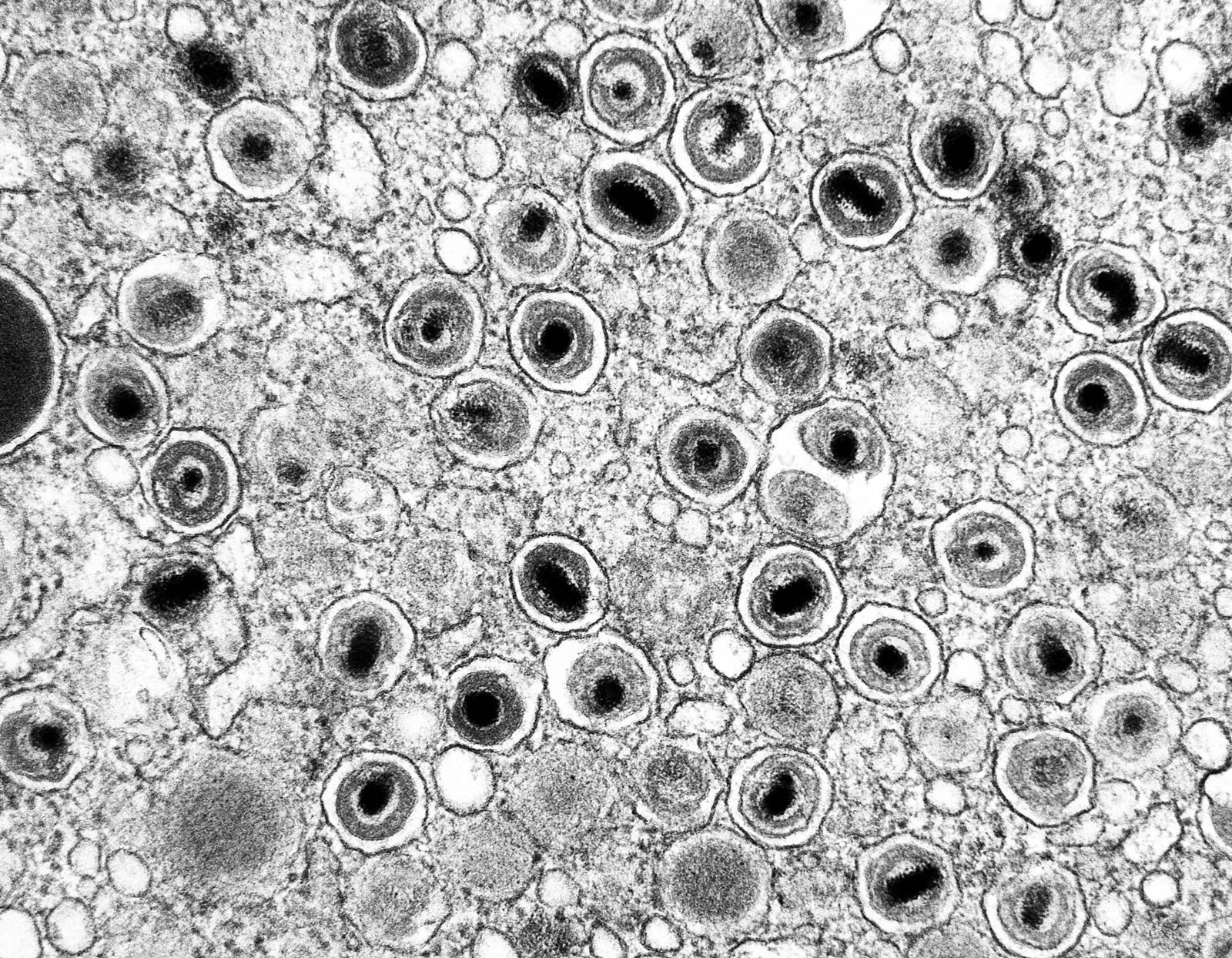
5) There have also been high-quality studies into viral persistence, for example, by Ian Lipkin’s team, which studied blood, feces, and saliva but found null results. Same with studies on severe ME/CFS patients or with well-matched twin controls.
6) That doesn’t mean the viral persistence hypothesis is dead, but it has to be a very unusual virus, one that is exceptionally good at hiding itself, causes no obvious tissue damage, leaves no traces in blood or saliva, and induces no systemic immune activation.
7) Next chapter: antibodies. In a major study, Scheibenbogen’s group found increased autoantibodies against adrenergic and muscarinic cholinergic receptors in ME/CFS.
But the differences were small and do not correlate well with symptoms.
8) Questions were also raised about the CellTrend assay used, and its findings were not replicated by a major antibody study published last year.
The most interesting results on antibodies come from treatment trials (Rituximab, Daratumumab, immunoadsorption, etc.)
9) Two results to look forward to are the HLA analysis from the genetic study DecodeME and the RESETME trial on daratumumab.
If both are negative, the antibody theory would take a big hit. If any do find an effect, it would be the biggest breakthrough in ME/CFS thus far.
10) The most consistent immune finding in ME/CFS research is reduced cytotoxicity of natural killer (NK) cells. Although some big studies didn’t find an effect, the majority did.
NK cytotoxicity is not a very specific finding, though. It’s found in multiple other conditions.
11) It’s also unclear why NK cytotoxicity is reduced in ME/CFS. Our favorite explanation is TGF-beta: the cytokine most consistently found to be increased in ME/CFS, and also a
potent inhibitor of NK cell cytotoxicity.
Perhaps there’s a connection between the two?
12) There’s no evidence for clonal expansion in ME/CFS, but a Cornell study found reduced lower glycolysis in T-cells despite normal mitochondrial respiration. Could mean they have a slightly different metabolism.
13) In B-cells, the most replicated finding is a skew in the building blocks of their receptors. IGHV3-30 is used more often in B-cell receptors of ME/CFS patients than in controls.
14) Overall, the immune abnormalities we in ME/CFS are relatively subtle. They are likely just an echo or side-effect of the core pathology. We have seen surprisingly little immune activation for such a debilitating disease triggered by viral infections.
15) This has important implications for future research. New immune hypotheses on ME/CFS will need to account for these negative findings. Focus should be on innovative methods and research targeting the gut, brain, or other tissues that have been difficult to sample
16) We’re looking for an immune signal that is potent enough to produce extremely debilitating symptoms yet produces no systemic immune activation visible in blood.
The answer to this question may have implications in medicine that go far beyond ME/CFS.


 mecfsscience.org