Dr. Sanil Rege - Australian Psychiatrist

Dolphin

Senior Member (Voting Rights)

Psychiatrist's View on Pain and Suffering in ME/CFS Draws Patient Backlash
Last updated 2 hours ago

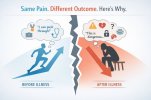
On February 22, psychiatrist Dr. Sanil Rege posted that suffering in conditions like ME/CFS stems from neurobiological threat signals, not pain alone, noting high-achieving patients now interpret discomfort differently. ME/CFS patient Whitney Dafoe and neurologist Dr. Svetlana Blitshteyn criticized it as risky, warning it echoes harmful past advice like graded exercise therapy that worsens post-exertional malaise. Rege clarified it's about unconscious brain pathways, not telling patients to push through, amid calls for pacing to manage symptoms. The debate highlights tensions between mind-body insights and the need to validate real neuroimmune drivers in these illnesses.

---
HBy3F6ubMAANvvF.jpg
 

Some selected quotes from the treatment section:
I would say Vitamin D is so, so important in treating chronic fatigue syndrome. Often would look at keeping levels at the higher end of the lab values. Sometimes significantly over it. So you know, greater than 70 at least, I would say.
And then probiotics as evidence-based. This is where the gut-brain axis comes in, because gut-brain axis is linked to neuroinflammation as well.
Then we have psychotherapies, CBT and graded exposure [sic] therapy. One of the things I find here is that, you know, sure, patients get referred to graded exposure therapy or CBT, but when a person sometimes is extremely fatigued, just this doesn't cut it. Individuals might be experiencing autonomic dysfunction, significant brain fog. They might not actually be able to engage in CBT. And this is where we've got to deconstruct the syndrome, and address each component of the syndrome, which I'll touch on in a bit.
1771984429446.png

This is the review he cited as evidence for this slide (link goes to S4ME thread): Myalgic Encephalomyelitis/Chronic Fatigue Syndrome: A Comprehensive Review (2019. MDPI Diagnostics. Rivera, Lidbury, et al.)
 
Back
Top Bottom