

Dolphin
Senior Member (Voting Rights)
English-language version:
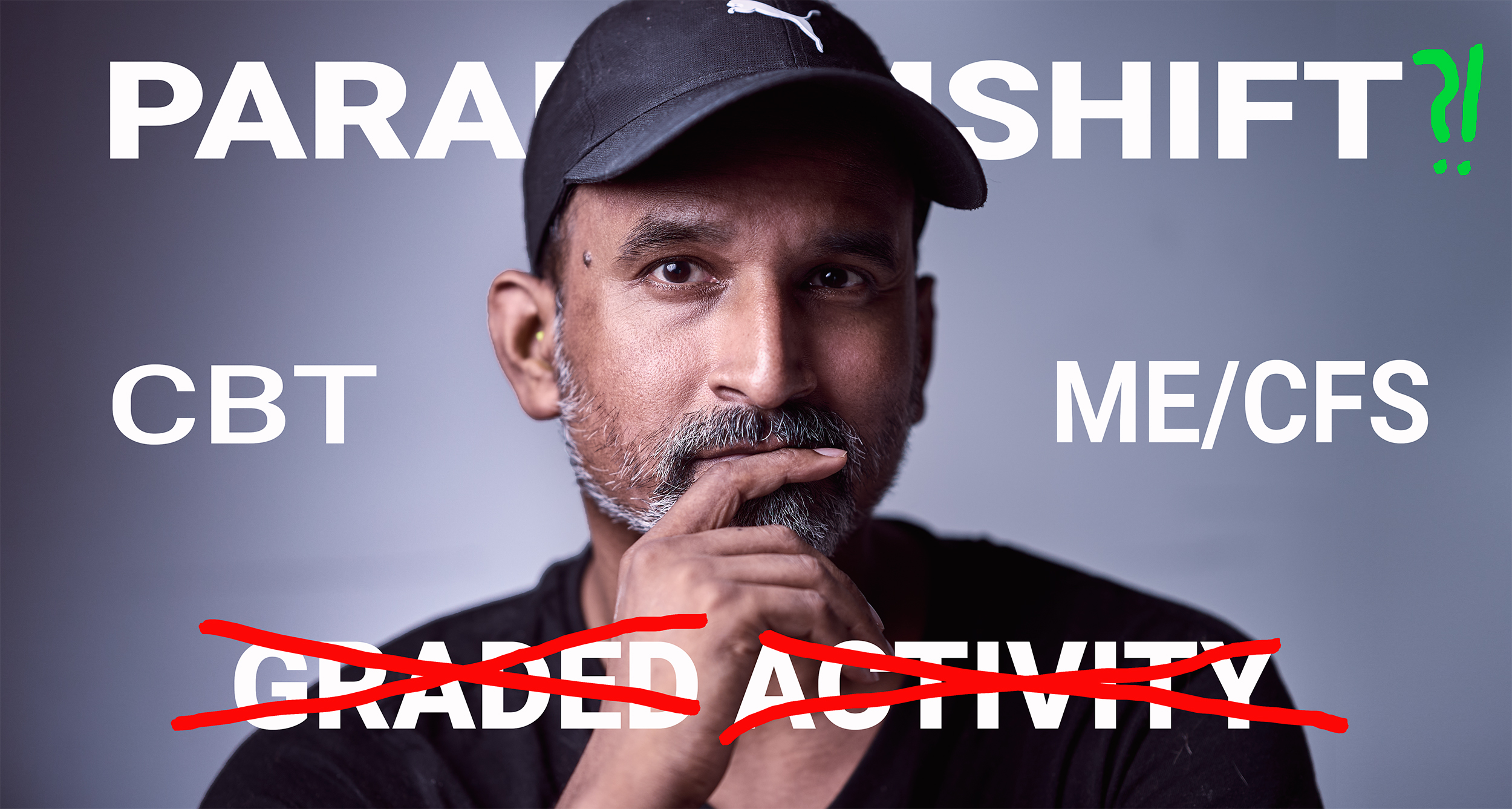
 anilvanderzee.com
===
anilvanderzee.com
===
Automated translation from Anil van der Zee’s Facebook page
Clinical psychologists Klaas Huijbregts and Luuk Stroink published in the magazine Behavioral Therapy a critical article about the rigid application of #CGT at #MECVS with graded activity.
They state that this protocol approach violates the principles of CGT and regularly leads to iatrogenic damage. Compared to an earlier article by Huijbregts from 2021, there are clear forwarding insights.
Nevertheless, I found it a shame that the input of experienced psychologists and psychiatrists I know was missing. Because of that, in my opinion, the article contains factual errors and, despite positive elements, it remains partly adherence to potentially harmful approaches.
Neither did I always agree with their vision of how psychosocial care should be shaped.
That's why I dove deep into the matter. Hopefully that will help set some issues straight.
Despite these shortcomings, I see Huijbregts en Stronk's article as a positive development, even though it may take a much bigger step further.
Read how and why in my blog:
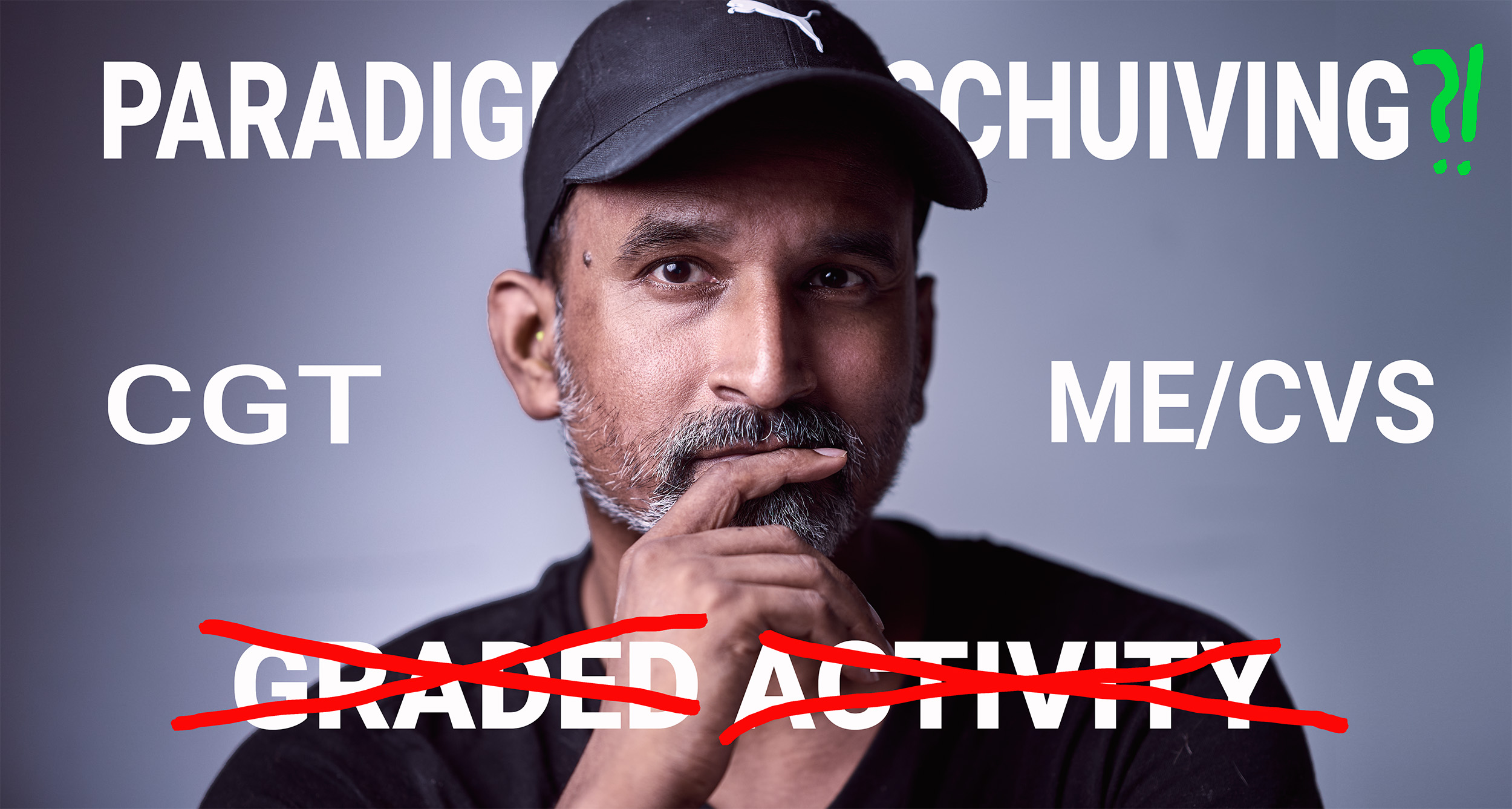 anilvanderzee.com
Thanks to everyone who provided feedback.
Are Dutch psychologists distancing themselves from graded activity in ME/CFS? - Anil van der Zee
Different CBT in Behavioural Therapy? Clinical psychologists and cognitive behavioral therapists Klaas Huijbregts and Luuk Stronk wrote an interesting yet critical piece the journal Behavioural Therapy (Gedragstherapie) about the current way in which “ME/CFS” patients are treated through a rigid...
anilvanderzee.com
Automated translation from Anil van der Zee’s Facebook page
Clinical psychologists Klaas Huijbregts and Luuk Stroink published in the magazine Behavioral Therapy a critical article about the rigid application of #CGT at #MECVS with graded activity.
They state that this protocol approach violates the principles of CGT and regularly leads to iatrogenic damage. Compared to an earlier article by Huijbregts from 2021, there are clear forwarding insights.
Nevertheless, I found it a shame that the input of experienced psychologists and psychiatrists I know was missing. Because of that, in my opinion, the article contains factual errors and, despite positive elements, it remains partly adherence to potentially harmful approaches.
Neither did I always agree with their vision of how psychosocial care should be shaped.
That's why I dove deep into the matter. Hopefully that will help set some issues straight.
Despite these shortcomings, I see Huijbregts en Stronk's article as a positive development, even though it may take a much bigger step further.
Read how and why in my blog:
Nemen Nederlandse psychologen nu afstand van graded activity bij ME/CVS? - Anil van der Zee
Andere CGT in Gedragstherapie? Klinisch psychologen en cognitief gedragstherapeuten Klaas Huijbregts en Luuk Stronk schreven een interessant en tegelijk kritisch stuk in het blad Gedragstherapie over de huidige wijze waarop “ME/CVS” patiënten behandeld worden aan de hand van een rigide...
anilvanderzee.com
Thanks to everyone who provided feedback.


