Sustained illness burden over time among Australians with myalgic encephalomyelitis/chronic fatigue syndrome
BACKGROUND
Myalgic Encephalomyelitis/Chronic Fatigue Syndrome (ME/CFS) is a disabling chronic illness. Many people with ME/CFS (pwME/CFS) are unable to continue employment and require support to complete activities of daily living. Despite this, ME/CFS remains unrecognised as a disability in Australia. The present study aimed to highlight the profound burdens experienced by pwME/CFS over time to provide evidence of permanency and necessitate reforms to Australian healthcare policies.
METHODS
Data were collected for this longitudinal investigation between 1st October 2021 and 3rd October 2024. All participants were Australian residents aged between 18 and 65 years fulfilling the Canadian or International Consensus Criteria. Sociodemographic information, medical history, illness presentation and patient-reported outcomes were collected using three self-administered questionnaires distributed at approximately six-month intervals. Illness presentation and patient-reported outcomes were investigated over 12 months with Cochrans Q, Friedman and one-way repeated measures ANOVA tests using Statistical Package for the Social Sciences version 29.0. Quality of life data were compared with Australian population norms using one-sample Wilcoxon signed-rank tests.
RESULTS
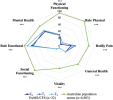
Thirty-two pwME/CFS (n = 22/32, 68.8% female) participated at all three time points. At baseline, the mean age was 44.03 years and median illness duration was 12.50 years. Participants reported a median of 30 symptoms at each time point — the most common of which were also the most severe in presentation. Importantly, there were no significant changes in any symptom or patient-reported outcome over the 12-month study period. Overall health status, physical health and the ability to participate in daily and work life activities were the most substantially impacted. Quality of life was significantly reduced among pwME/CFS when compared with population norms at all time points.
CONCLUSIONS
PwME/CFS face substantial and sustained illness burdens. These consistent, profound impairments emphasise the need for improved access to disability and social support services for pwME/CFS in Australia through policy reform.
Web | DOI | PDF | PLOS ONE | Open Access
Breanna Weigel; Natalie Eaton-Fitch; Kiran Thapaliya; Sonya Marshall-Gradisnik
BACKGROUND
Myalgic Encephalomyelitis/Chronic Fatigue Syndrome (ME/CFS) is a disabling chronic illness. Many people with ME/CFS (pwME/CFS) are unable to continue employment and require support to complete activities of daily living. Despite this, ME/CFS remains unrecognised as a disability in Australia. The present study aimed to highlight the profound burdens experienced by pwME/CFS over time to provide evidence of permanency and necessitate reforms to Australian healthcare policies.
METHODS
Data were collected for this longitudinal investigation between 1st October 2021 and 3rd October 2024. All participants were Australian residents aged between 18 and 65 years fulfilling the Canadian or International Consensus Criteria. Sociodemographic information, medical history, illness presentation and patient-reported outcomes were collected using three self-administered questionnaires distributed at approximately six-month intervals. Illness presentation and patient-reported outcomes were investigated over 12 months with Cochrans Q, Friedman and one-way repeated measures ANOVA tests using Statistical Package for the Social Sciences version 29.0. Quality of life data were compared with Australian population norms using one-sample Wilcoxon signed-rank tests.
RESULTS
Thirty-two pwME/CFS (n = 22/32, 68.8% female) participated at all three time points. At baseline, the mean age was 44.03 years and median illness duration was 12.50 years. Participants reported a median of 30 symptoms at each time point — the most common of which were also the most severe in presentation. Importantly, there were no significant changes in any symptom or patient-reported outcome over the 12-month study period. Overall health status, physical health and the ability to participate in daily and work life activities were the most substantially impacted. Quality of life was significantly reduced among pwME/CFS when compared with population norms at all time points.
CONCLUSIONS
PwME/CFS face substantial and sustained illness burdens. These consistent, profound impairments emphasise the need for improved access to disability and social support services for pwME/CFS in Australia through policy reform.
Web | DOI | PDF | PLOS ONE | Open Access