Episodic memory deficits and processes in post-COVID condition
Cognitive dysfunction is one of the most prevalent symptoms in patients with post-COVID condition (PCC) and episodic memory has been highlighted as one of the most impaired cognitive domains in these patients. However, few studies have specifically assessed episodic memory processes in these patients. This study aims to comprehensively investigate the memory function in patients with PCC.
We conducted a cross-sectional study involving 157 patients with PCC and 74 healthy controls. Participants underwent a comprehensive neuropsychological assessment and memory assessment, including the Loewenstein-Acevedo Scale for Semantic Interference and Learning (LASSI-L), the Free and Cued Selective Reminding test (FCSRT), the Open-Trial Selective Reminding Test (OT-SRT), and a Mental Ability Questionnaire (FLEI). We compared groups and evaluated the correlation between episodic memory and neuropsychological and clinical assessments.
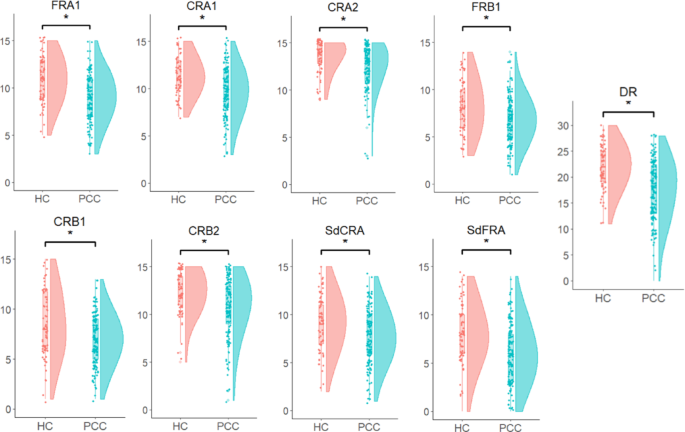
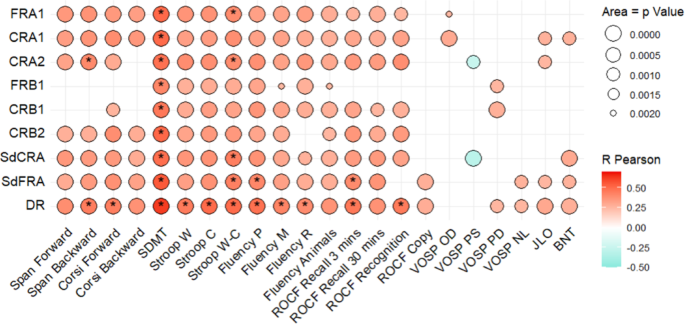
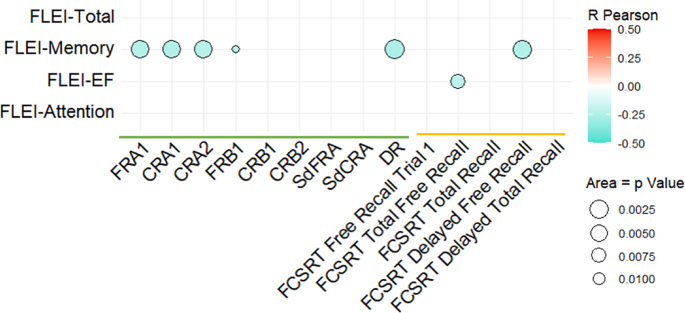
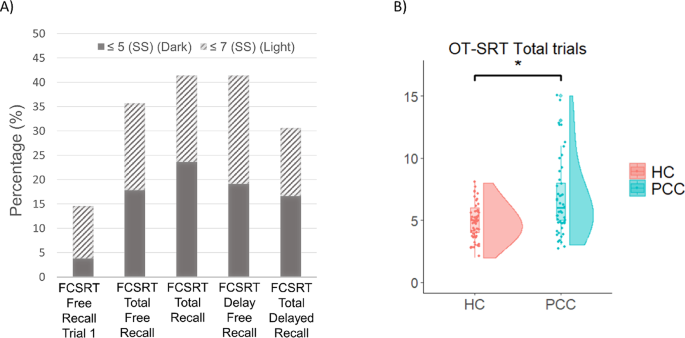
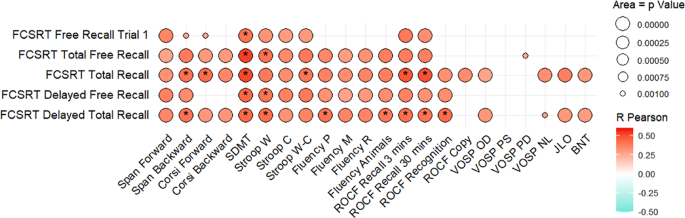
Patients with PCC showed reduced performance on the LASSI-L, the FCSRT and the OT-SRT compared to controls. The memory scores showed positive moderate correlations with attention tests and positive low correlations with language, visuospatial or executive functions. Subjective memory complaints were related to poorer memory performance. LASSI-L was the test most associated with subjective memory complaints, whereas OT-SRT was the test less influenced by attention tests.
The study found multiple memory processes impaired in patients with PCC, specifically in initial encoding, learning information acquisition and storage, and in retrieval, with only partial improvement with cues and recognition, and with significant susceptibility to the effects of retroactive semantic interference. These findings are relevant for characterising the cognitive deficits of patients with PCC and for designing interventional strategies.
Web | DOI | PDF | European Archives of Psychiatry and Clinical Neuroscience | Open Access
Oliver-Mas, Silvia; Matias-Guiu, Jordi A; Delgado-Alonso, Cristina; Valles-Salgado, María; Gil-Moreno, María José; López-Carbonero, Juan I; Fernández-Romero, Lucía; Cuevas, Constanza; Delgado-Álvarez, Alfonso; Matias-Guiu, Jorge; Diez-Cirarda, Maria
Cognitive dysfunction is one of the most prevalent symptoms in patients with post-COVID condition (PCC) and episodic memory has been highlighted as one of the most impaired cognitive domains in these patients. However, few studies have specifically assessed episodic memory processes in these patients. This study aims to comprehensively investigate the memory function in patients with PCC.
We conducted a cross-sectional study involving 157 patients with PCC and 74 healthy controls. Participants underwent a comprehensive neuropsychological assessment and memory assessment, including the Loewenstein-Acevedo Scale for Semantic Interference and Learning (LASSI-L), the Free and Cued Selective Reminding test (FCSRT), the Open-Trial Selective Reminding Test (OT-SRT), and a Mental Ability Questionnaire (FLEI). We compared groups and evaluated the correlation between episodic memory and neuropsychological and clinical assessments.
Patients with PCC showed reduced performance on the LASSI-L, the FCSRT and the OT-SRT compared to controls. The memory scores showed positive moderate correlations with attention tests and positive low correlations with language, visuospatial or executive functions. Subjective memory complaints were related to poorer memory performance. LASSI-L was the test most associated with subjective memory complaints, whereas OT-SRT was the test less influenced by attention tests.
The study found multiple memory processes impaired in patients with PCC, specifically in initial encoding, learning information acquisition and storage, and in retrieval, with only partial improvement with cues and recognition, and with significant susceptibility to the effects of retroactive semantic interference. These findings are relevant for characterising the cognitive deficits of patients with PCC and for designing interventional strategies.
Web | DOI | PDF | European Archives of Psychiatry and Clinical Neuroscience | Open Access