Association of symptoms of neuropsychological long COVID with imaging and plasma biomarkers
Highlights
• Neuropsychological long COVID i.e. “brain fog” were investigated by biomarkers.
• Cognitive impairments related to abnormal rCBF in the occipital lobe.
• Psychological symptoms related to abnormal rCBF in the parietal lobe.
• Increase of plasma NFL and GFAP was observed in relation to cognitive impairments.
• Imaging and blood biomarkers may elucidate brain damage of “brain fog”.
Abstract
Background
Some patients recovered from COVID-19 may experience cognitive and psychological symptoms, such as “brain fog” or neuropsychological long COVID, and its mechanism is unclear.
Objective
This study aimed to investigate the mechanism of brain damage in neuropsychological long COVID using imaging and blood biomarkers.
Methods
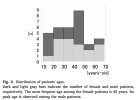
Patients who met the criteria on the “brain fog” screening questionnaire and provided informed consent were enrolled in this study (n = 33; mean age 38.5 years). All participants were examined using magnetic resonance imaging, single-photon emission computed tomography (assessment of regional cerebral blood flow [rCBF]), and blood biomarkers.
Neuropsychological tests (Montreal Cognitive Assessment-Japanese version [MoCA-J], Trail Making Test [TMT], Frontal Assessment Battery, Digital Symbol Coding [DSC] test, State-Trait Anxiety Inventory [STAI], and Self-Rating Depression Scale [SDS]) were performed simultaneously.
Results
Significant correlations were observed between the MoCA-J score and decreased rCBF in the left occipital lobe and increased rCBF in the right occipital lobe (p < 0.05), between the STAI score and decreased rCBF in the right parietal lobe (p < 0.05), and between the SDS score and decreased rCBF in the right parietal lobe (p < 0.05).
The MoCA-J and DSC scores were correlated with plasma levels of neurofilament light chain (p < 0 0.05). The TMT time correlated with plasma glial fibrillary acidic protein levels (p < 0.01).
Conclusion
This study was a cross-sectional and could not distinguish pathological abnormalities. However, as correlations of neuropsychological long COVID with specific brain regions and plasma biomarkers have been elucidated, conducting a case-control analysis may be worthwhile.
Web | DOI | PDF | Journal of the Neurological Sciences | Open Access
Nakase, Taizen; Takano, Yumi; Nomura, Shuko; Baek, Hae Woon; Takayama, Shin; Ono, Rie; Abe, Michiaki; Ishii, Tadashi; Tatewaki, Yasuko; Taki, Yasuyuki
Highlights
• Neuropsychological long COVID i.e. “brain fog” were investigated by biomarkers.
• Cognitive impairments related to abnormal rCBF in the occipital lobe.
• Psychological symptoms related to abnormal rCBF in the parietal lobe.
• Increase of plasma NFL and GFAP was observed in relation to cognitive impairments.
• Imaging and blood biomarkers may elucidate brain damage of “brain fog”.
Abstract
Background
Some patients recovered from COVID-19 may experience cognitive and psychological symptoms, such as “brain fog” or neuropsychological long COVID, and its mechanism is unclear.
Objective
This study aimed to investigate the mechanism of brain damage in neuropsychological long COVID using imaging and blood biomarkers.
Methods
Patients who met the criteria on the “brain fog” screening questionnaire and provided informed consent were enrolled in this study (n = 33; mean age 38.5 years). All participants were examined using magnetic resonance imaging, single-photon emission computed tomography (assessment of regional cerebral blood flow [rCBF]), and blood biomarkers.
Neuropsychological tests (Montreal Cognitive Assessment-Japanese version [MoCA-J], Trail Making Test [TMT], Frontal Assessment Battery, Digital Symbol Coding [DSC] test, State-Trait Anxiety Inventory [STAI], and Self-Rating Depression Scale [SDS]) were performed simultaneously.
Results
Significant correlations were observed between the MoCA-J score and decreased rCBF in the left occipital lobe and increased rCBF in the right occipital lobe (p < 0.05), between the STAI score and decreased rCBF in the right parietal lobe (p < 0.05), and between the SDS score and decreased rCBF in the right parietal lobe (p < 0.05).
The MoCA-J and DSC scores were correlated with plasma levels of neurofilament light chain (p < 0 0.05). The TMT time correlated with plasma glial fibrillary acidic protein levels (p < 0.01).
Conclusion
This study was a cross-sectional and could not distinguish pathological abnormalities. However, as correlations of neuropsychological long COVID with specific brain regions and plasma biomarkers have been elucidated, conducting a case-control analysis may be worthwhile.
Web | DOI | PDF | Journal of the Neurological Sciences | Open Access